Driving Sustainable Innovation with 3DEXPERIENCE Virtual Twin
- Ravindra Buvaji
- September 3, 2025
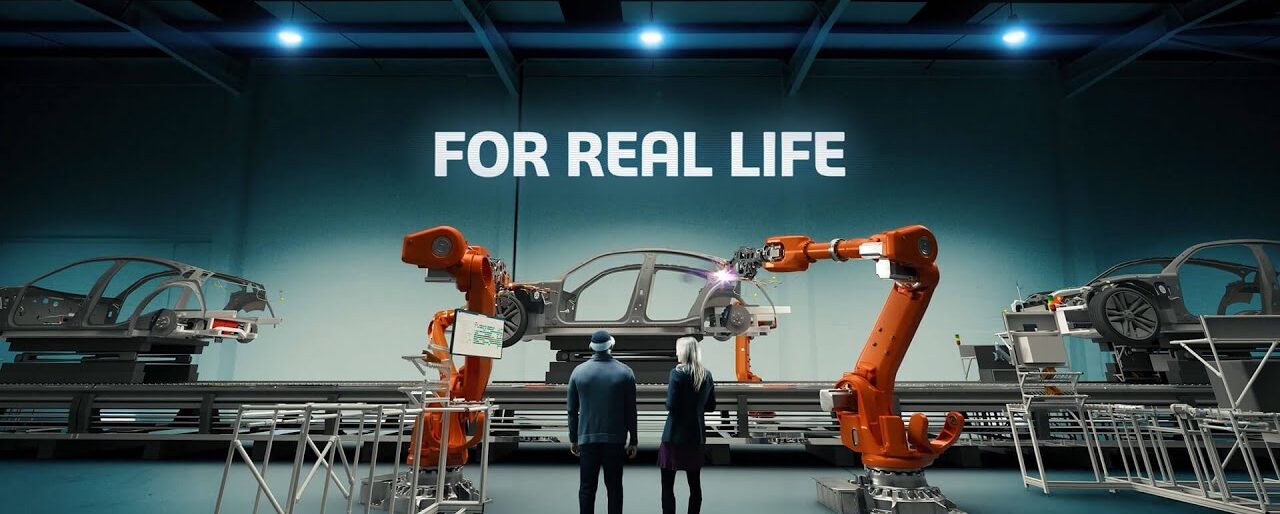
In today’s rapidly evolving and environmentally conscious world, industries are under increasing pressure to innovate sustainably. The challenge is not just to create better products but to do so in a way that conserves resource, minimizes waste, and reduces environmental impact. Enter the 3DEXPERIENCE platform by Dassault Systèmes, which offers a groundbreaking approach to sustainable innovation through the power of virtual twin.
What is a Virtual Twin?
Virtual twin is a digital replica of physical assets, processes, or systems. Unlike static digital models, virtual twin evolves in real time, continuously reflecting the current state of their physical counterparts. On the 3DEXPERIENCE platform, this provides a unified, data-rich environment where stakeholders can simulate, analyse, and optimize every aspect of a product or process before it is built or modified.
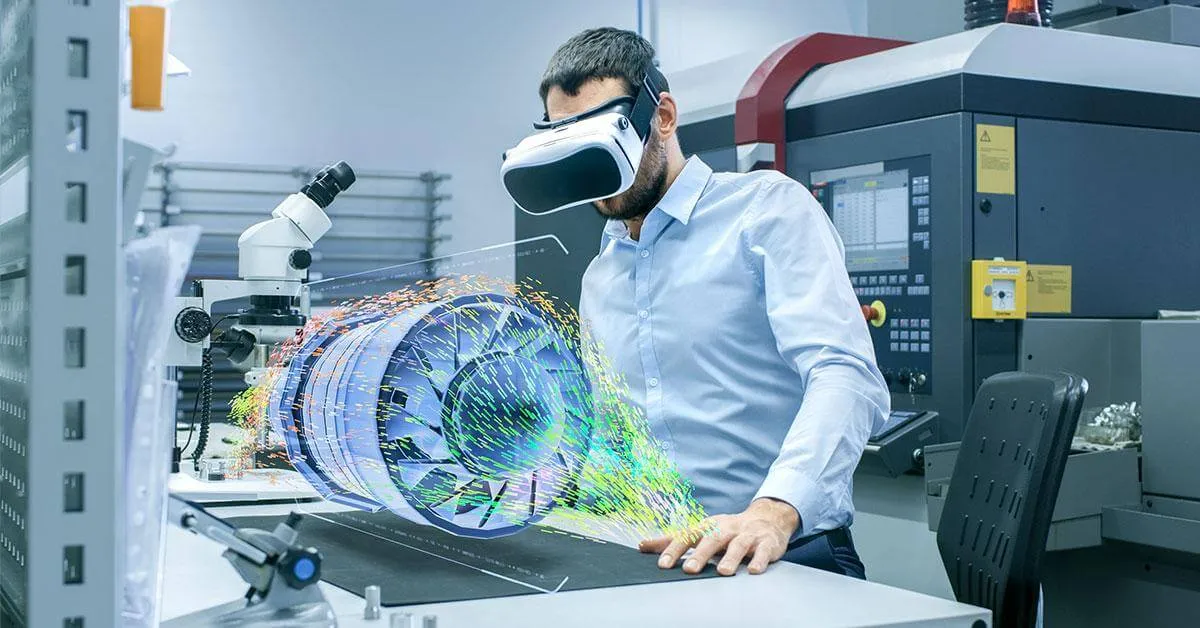
Embracing Dassault Systèmes Virtual Twin Technology allows users to unlock sustainable business innovation benefits by visualizing, modelling, and simulating entire environments without resorting to costly trial-and-error programs.
Through the power of the virtual twin, a train manufacturer was able to reduce the carbon footprint by 40% by designing a train that was more efficient.
In addition, life cycle assessment (LCA) can help quantify the environmental impact of products, thereby being useful for transitioning to the generative economy resulting from the convergence of the experience economy and the circular economy.
Enabling Informed Decision-Making
Sustainable innovation begins with informed choices. Virtual twin allows engineers, designers, and decision-makers to evaluate the environmental impact of design alternatives long before physical production begins. By simulating energy consumption, material usage, and emissions, teams can compare scenarios and select the most eco-friendly options without compromising performance or quality.
Optimizing Resource Efficiency – Lower Carbon Footprint
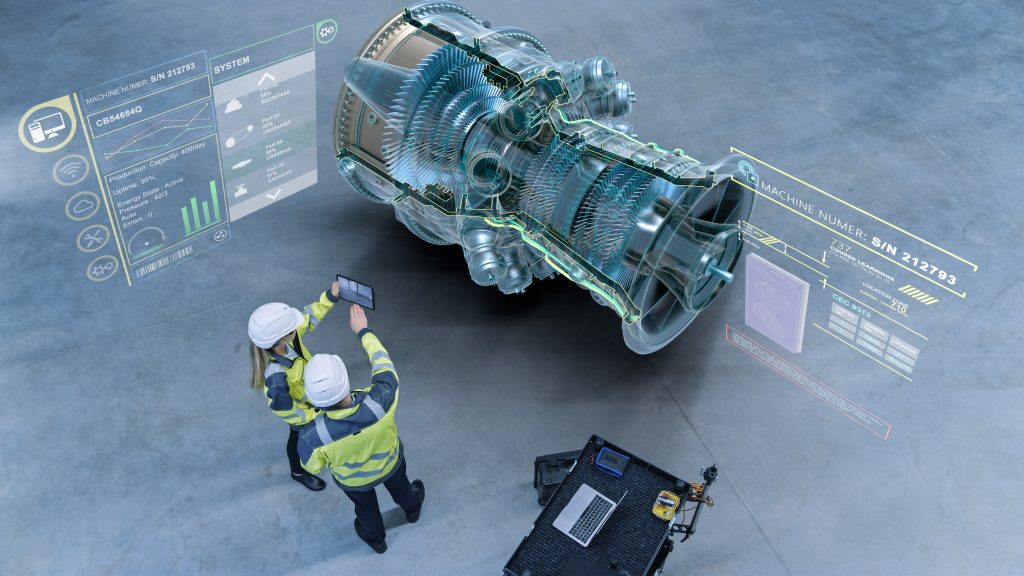
One of the most direct benefits of virtual twin is their ability to optimize the use of materials and energy. The 3DEXPERIENCE platform helps teams:
- Identify material substitutes with lower carbon footprints
- Reduce overengineering and excess material waste
- Optimize manufacturing processes to cut down energy consumption
This optimization leads to leaner, greener production workflows that are both cost-effective and environmentally responsible.
Accelerating Eco-Innovation Cycles
Virtual twin shortens the innovation cycle by enabling rapid prototyping in a virtual space. Instead of building multiple physical prototypes, companies can simulate, test, and validate new designs virtually. This not only saves time and cost but also significantly reduces the carbon footprint associated with traditional prototyping.
Supporting Circular Economy Models
Sustainability doesn’t end with the product launch. The 3DEXPERIENCE platform supports circular economy principles by enabling lifecycle analysis and end-of-life planning. Virtual twin helps organizations plan for reuse, recycling, and remanufacturing, ensuring that products are designed with their full lifecycle in mind.
Real-World Applications
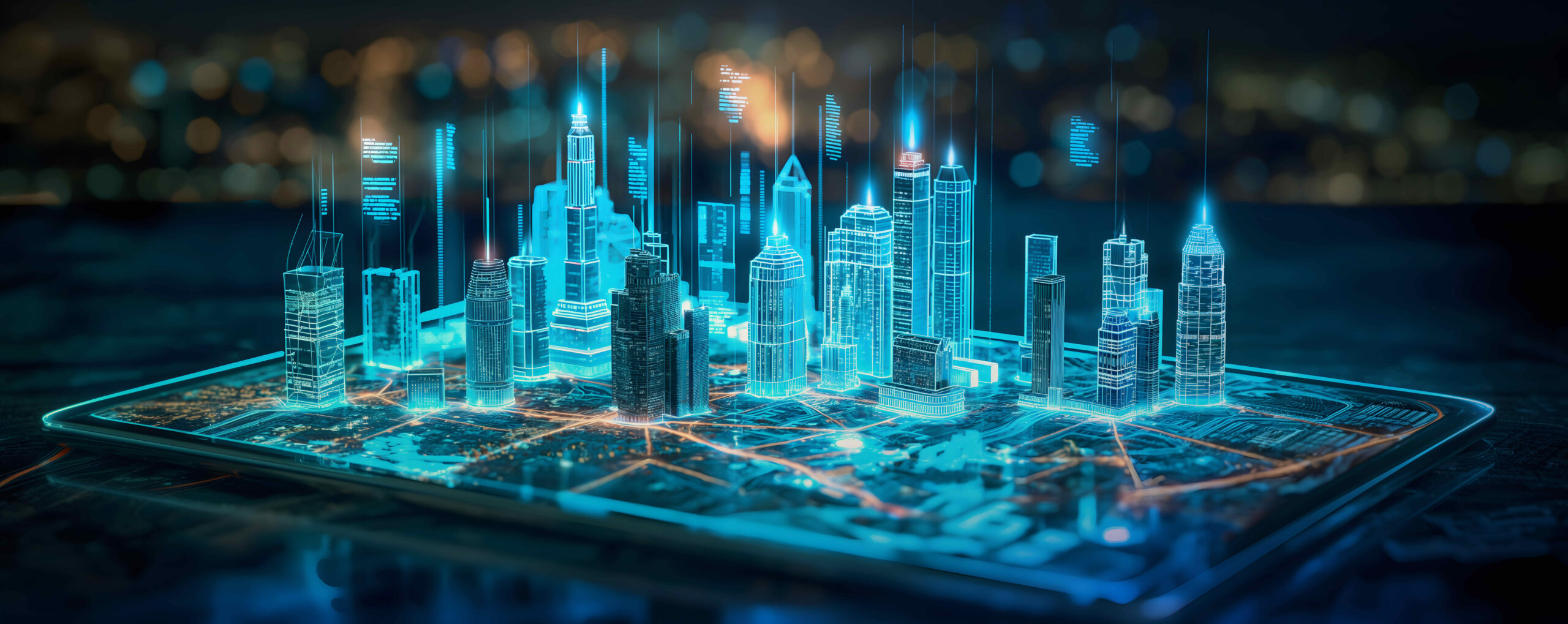
From smart cities and infrastructure to aerospace and life sciences, virtual twin is already making a difference. For example:
- In construction, it helps optimize energy use in buildings
- In healthcare, it models patient-specific treatments to minimize trial-and-error waste
- In transportation, it simulates vehicle performance to meet emissions targets
Conclusion
Sustainable innovation is not a distant goal; it is a necessity. The 3DEXPERIENCE platform, with its robust virtual twin capabilities, empowers organizations to innovate smarter, faster, and greener. By integrating sustainability into the very fabric of design and production, Dassault Systèmes is helping businesses turn their environmental commitments into actionable results.

Recent Posts
-
From Prototypes to Production: How Additive Manufacturing is Shaping Atmanirbhar Bharat
The conversation around additive manufacturing (AM) in India has evolved considerably over the past decade. What was once viewed primarily as a prototyping technology is…
-
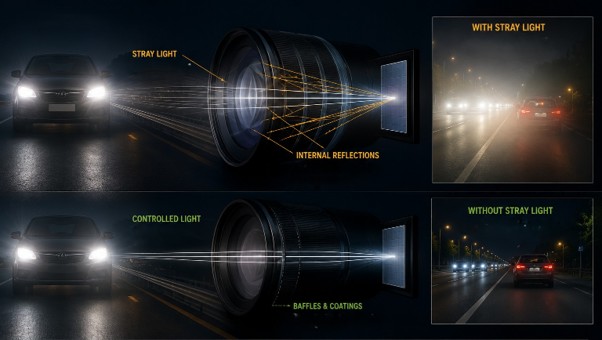
Identify Stray Light in Imaging Systems with LightTools
Stray light is undesired light radiation that interacts with the components of a system and degrades its performance by generating noise, that significantly reduces image…
-
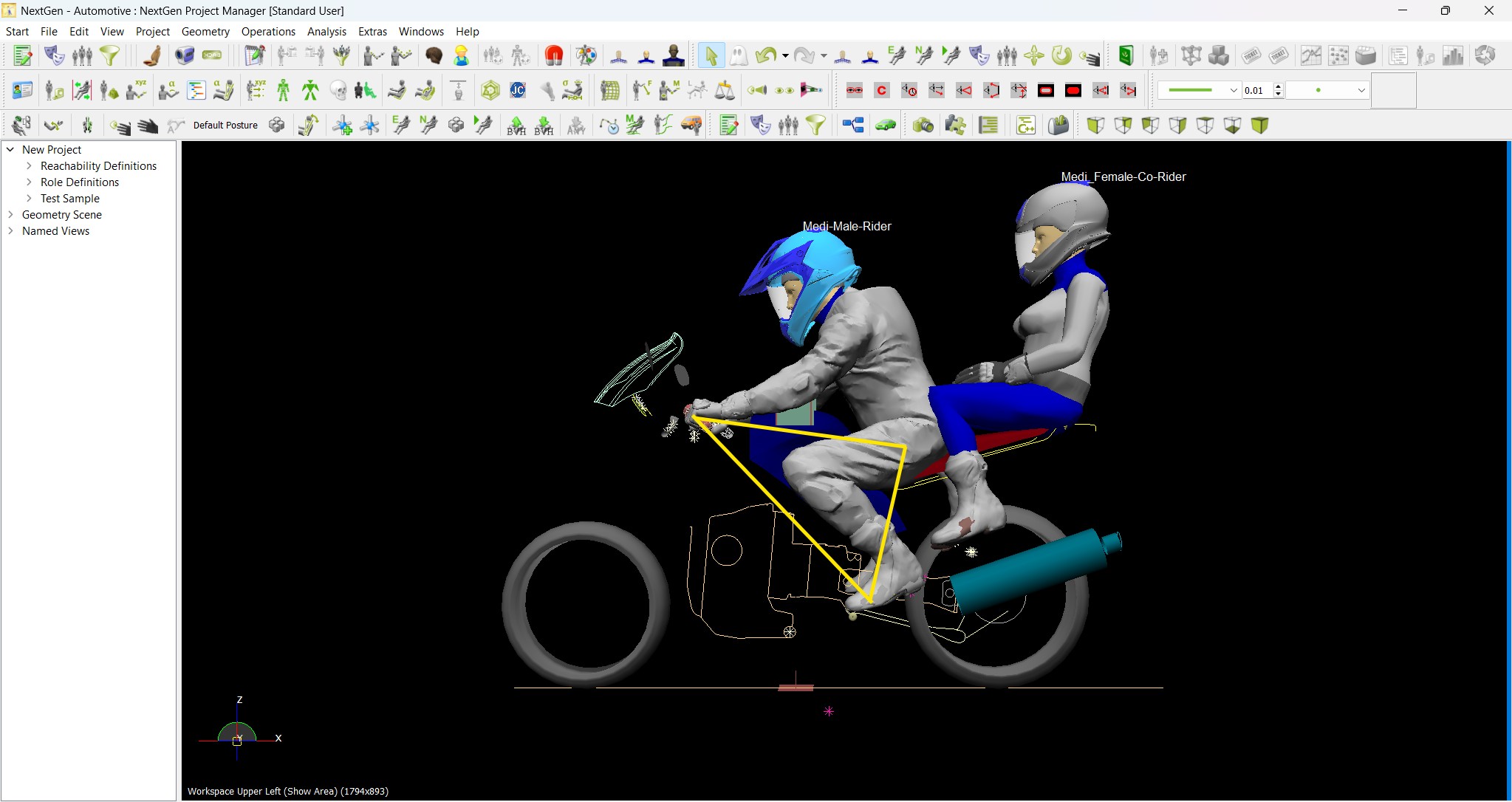
Redefining the Riding Experience with RAMSIS
In two‑wheeler design, comfort and safety start with the rider. RAMSIS (Realistic Anthropometric Mathematical System of Interior Comfort Simulation) is an ergonomic simulation platform that…
-
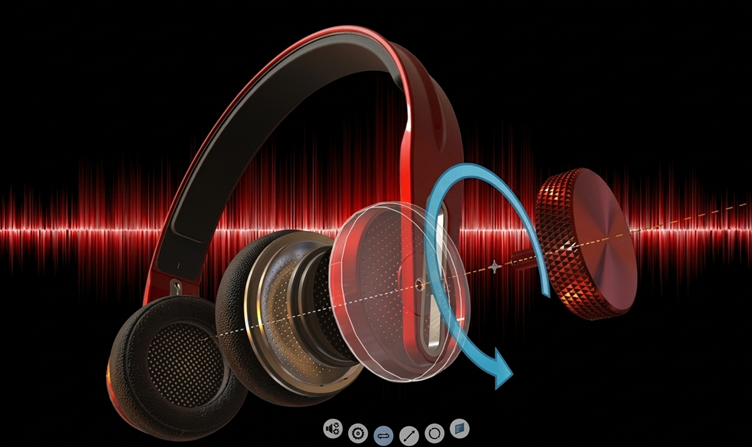
Enhancing Product Understanding through 3D Technical Illustrator
The 3D Technical Illustrator role within the 3DEXPERIENCE Platform enables organizations to transform complex engineering data into clear, interactive, and visually rich technical documentation. In…
-
Transforming Physical Parts into Digital Models with CATIA 3DEXPERIENCE Reverse Engineer role
Reverse engineering has become a critical capability in modern product development, especially when working with legacy components, competitor benchmarking, or physical prototypes that lack digital…
-
Fixing Search Service Down Issue in 3DEXPERIENCE Platform
Search is one of the most critical features in the 3DEXPERIENCE platform. If the search service goes down, users cannot find objects, documents, or data—impacting…
-
Common Installation Errors and How to Fix Them in 3DEXPERIENCE
The 3DEXPERIENCE Platform is a powerful solution used by industries worldwide for product lifecycle management (PLM), simulation, and collaboration. However, installing 3DEXPERIENCE—especially on-premise—can be complex…
-
From Classroom to Industry: Empowering Future Engineers with the 3DEXPERIENCE Platform
In today’s fast-evolving engineering and design landscape, educational institutions must go beyond conventional CAD teaching methods. While standalone tools like CATIA V5, SOLIDWORKS, or traditional…
- Ravindra Buvaji
- September 3, 2025
Driving Sustainable Innovation with 3DEXPERIENCE Virtual Twin
In today’s rapidly evolving and environmentally conscious world, industries are under increasing pressure to innovate sustainably. The challenge is not just to create better products but to do so in a way that conserves resource, minimizes waste, and reduces environmental impact. Enter the 3DEXPERIENCE platform by Dassault Systèmes, which offers a groundbreaking approach to sustainable innovation through the power of virtual twin.
What is a Virtual Twin?
Virtual twin is a digital replica of physical assets, processes, or systems. Unlike static digital models, virtual twin evolves in real time, continuously reflecting the current state of their physical counterparts. On the 3DEXPERIENCE platform, this provides a unified, data-rich environment where stakeholders can simulate, analyse, and optimize every aspect of a product or process before it is built or modified.
Embracing Dassault Systèmes Virtual Twin Technology allows users to unlock sustainable business innovation benefits by visualizing, modelling, and simulating entire environments without resorting to costly trial-and-error programs.
Through the power of the virtual twin, a train manufacturer was able to reduce the carbon footprint by 40% by designing a train that was more efficient.
In addition, life cycle assessment (LCA) can help quantify the environmental impact of products, thereby being useful for transitioning to the generative economy resulting from the convergence of the experience economy and the circular economy.
Enabling Informed Decision-Making
Sustainable innovation begins with informed choices. Virtual twin allows engineers, designers, and decision-makers to evaluate the environmental impact of design alternatives long before physical production begins. By simulating energy consumption, material usage, and emissions, teams can compare scenarios and select the most eco-friendly options without compromising performance or quality.
Optimizing Resource Efficiency – Lower Carbon Footprint
One of the most direct benefits of virtual twin is their ability to optimize the use of materials and energy. The 3DEXPERIENCE platform helps teams:
- Identify material substitutes with lower carbon footprints
- Reduce overengineering and excess material waste
- Optimize manufacturing processes to cut down energy consumption
This optimization leads to leaner, greener production workflows that are both cost-effective and environmentally responsible.
Accelerating Eco-Innovation Cycles
Virtual twin shortens the innovation cycle by enabling rapid prototyping in a virtual space. Instead of building multiple physical prototypes, companies can simulate, test, and validate new designs virtually. This not only saves time and cost but also significantly reduces the carbon footprint associated with traditional prototyping.
Supporting Circular Economy Models
Sustainability doesn’t end with the product launch. The 3DEXPERIENCE platform supports circular economy principles by enabling lifecycle analysis and end-of-life planning. Virtual twin helps organizations plan for reuse, recycling, and remanufacturing, ensuring that products are designed with their full lifecycle in mind.
Real-World Applications
From smart cities and infrastructure to aerospace and life sciences, virtual twin is already making a difference. For example:
- In construction, it helps optimize energy use in buildings
- In healthcare, it models patient-specific treatments to minimize trial-and-error waste
- In transportation, it simulates vehicle performance to meet emissions targets
Conclusion
Sustainable innovation is not a distant goal; it is a necessity. The 3DEXPERIENCE platform, with its robust virtual twin capabilities, empowers organizations to innovate smarter, faster, and greener. By integrating sustainability into the very fabric of design and production, Dassault Systèmes is helping businesses turn their environmental commitments into actionable results.