Transforming Physical Parts into Digital Models with CATIA 3DEXPERIENCE Reverse Engineer role

- Jayesh Darji
- May 12, 2026
Reverse engineering has become a critical capability in modern product development, especially when working with legacy components, competitor benchmarking, or physical prototypes that lack digital design data. Within the CATIA 3DEXPERIENCE ecosystem, reverse engineering is not just about recreating geometry—it is about transforming real-world data into intelligent, parametric, and fully associative models that can be reused across the product lifecycle.
At its core, reverse engineering in CATIA 3DEXPERIENCE begins with data acquisition. Physical parts are typically scanned using 3D scanning technologies such as laser scanners or structured light scanners, producing dense point clouds or mesh data (STL format). These raw datasets often contain noise, irregularities, and gaps. The platform provides robust tools to clean and optimize this scan data, ensuring accuracy before moving to the modelling phase. This preprocessing step is crucial because the quality of the final CAD model heavily depends on how well the scan data is refined.
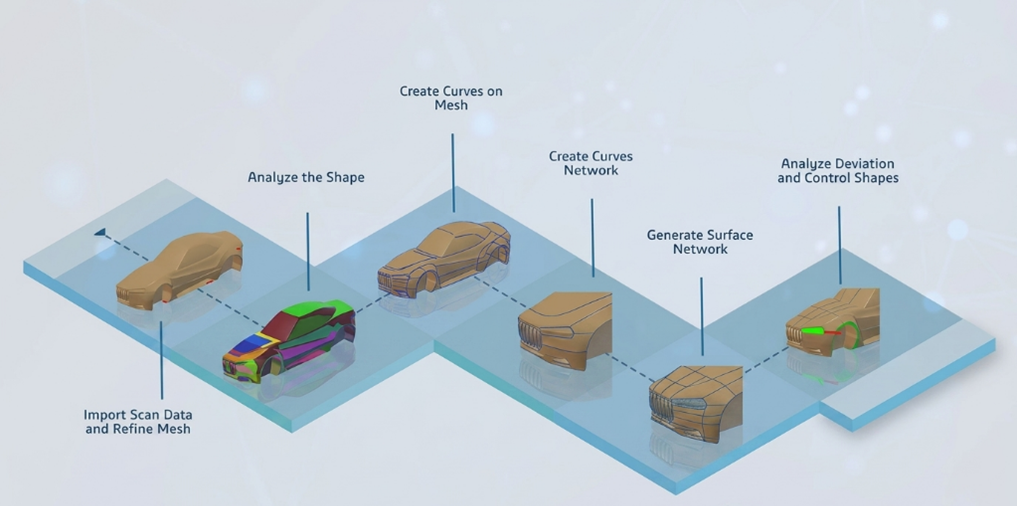
Fig 1: Reverse Engineering Workflow: From Scan to CAD
Once the scan data is prepared, CATIA 3DEXPERIENCE offers specialized roles such as Digitized Shape Preparation (DSP) and Digitized Shape Editor (DSE) to convert mesh data into usable surfaces. Engineers can segment the mesh, extract key features, and identify geometric patterns such as planes, cylinders, and freeform surfaces. This step bridges the gap between unstructured scan data and structured CAD geometry. Unlike traditional CAD modelling, where design intent is predefined, reverse engineering requires the engineer to interpret and reconstruct the design intent from the physical model.
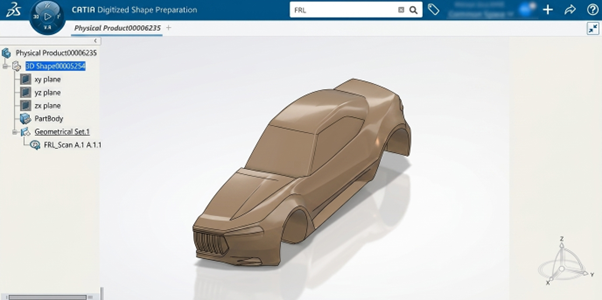
Fig 2: Imported Scanned data into 3DEXPERIENCE
A major advantage of reverse engineering in CATIA 3DEXPERIENCE is its ability to create parametric and feature-based models from scan data. Using advanced surfacing tools available in Generative Shape Design (GSD) and Freestyle workbenches, users can rebuild complex geometries with high precision. This is particularly useful in industries like automotive BIW (Body in White), where surface continuity (G2/G3) and accuracy are critical. The resulting model is not just a static representation—it is fully editable, allowing engineers to modify dimensions, apply constraints, and integrate it into assemblies.
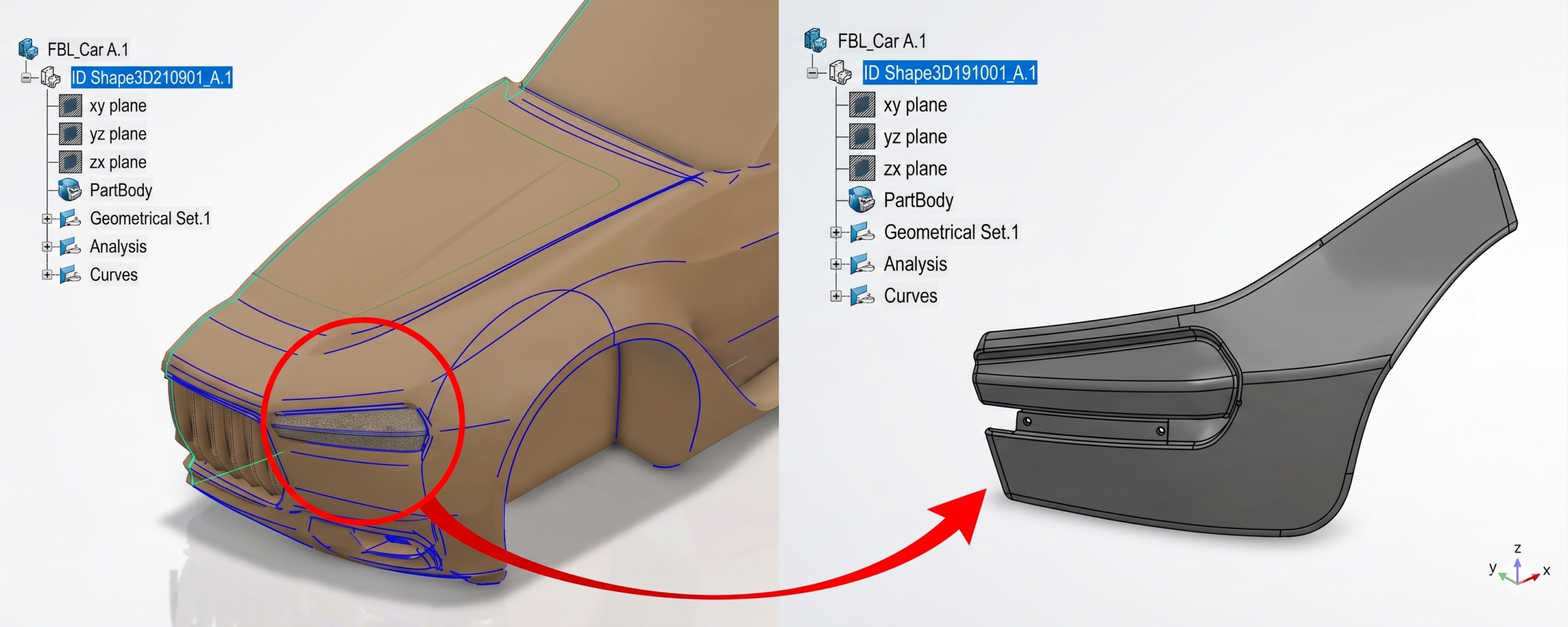
Fig 3: Creating curves and converting to Surfaces
Reverse engineering also plays a vital role in inspection and validation. By comparing the reconstructed CAD model with the original scan data, engineers can perform deviation analysis to identify manufacturing defects or wear and tear. CATIA’s integration with inspection tools enables color mapping and tolerance analysis, ensuring that the recreated model meets required specifications. This is especially valuable in quality control and remanufacturing scenarios.
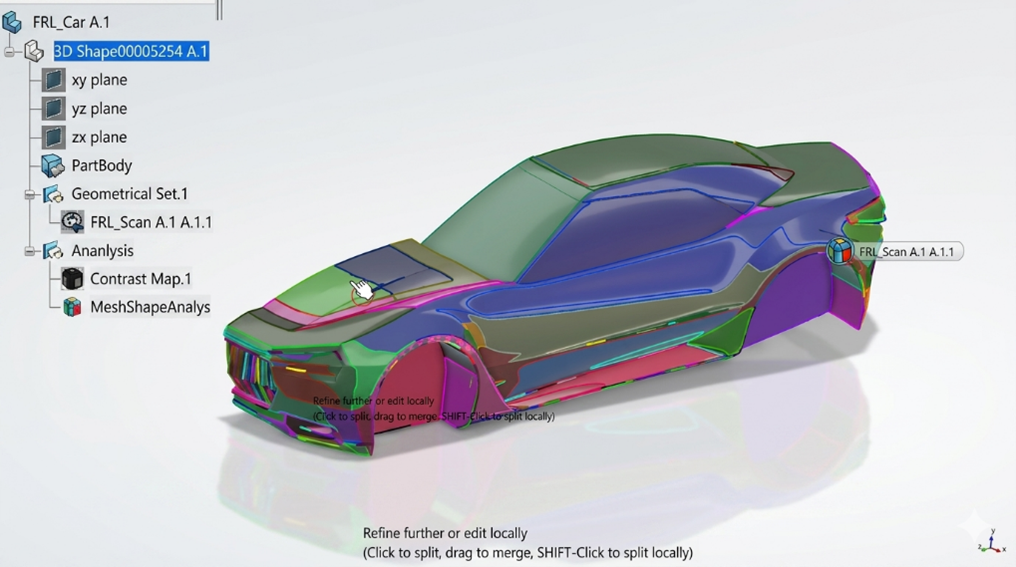
Fig 4: Mesh Shape Analysis showing colors based on topology.
From a collaborative standpoint, the 3DEXPERIENCE platform enhances reverse engineering workflows by enabling cloud-based data management and real-time collaboration. Teams can access scan data, CAD models, and analysis results in a unified environment, eliminating data silos. Integration with other roles across design, simulation, and manufacturing ensures that reverse-engineered models can seamlessly transition into downstream processes.
However, reverse engineering is not without challenges. Handling large scan datasets can be computationally intensive, requiring optimized hardware and data management strategies. Additionally, interpreting design intent from organic or highly complex shapes demands both technical expertise and domain knowledge. Despite these challenges, the capabilities offered by CATIA 3DEXPERIENCE significantly streamline the process and improve accuracy.
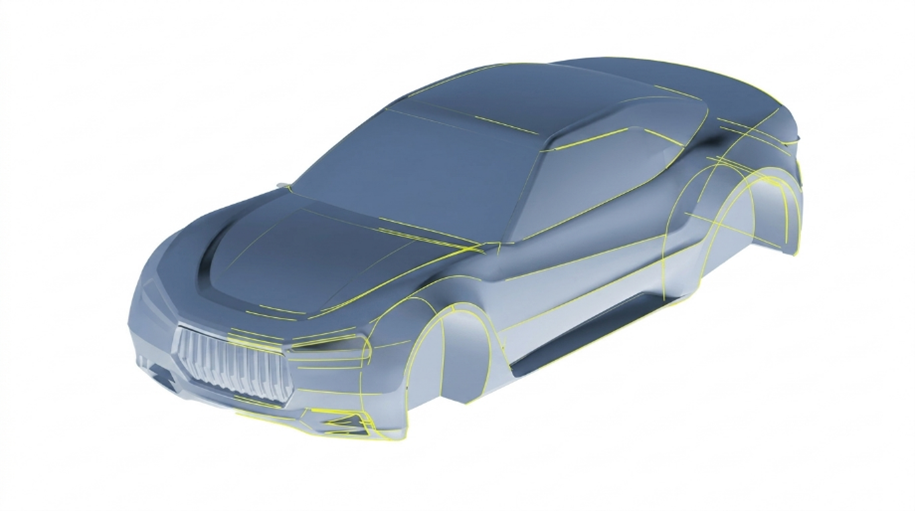
Fig 5: Final Product after Reverse Engineering
In conclusion, reverse engineering in CATIA 3DEXPERIENCE is a powerful enabler for innovation, especially in scenarios where original design data is unavailable. By combining advanced scanning integration, robust surfacing tools, parametric modelling, and knowledge-based automation, the platform transforms physical components into intelligent digital assets. For engineers working in domains like automotive tooling, aerospace, and industrial equipment, mastering reverse engineering in CATIA 3DEXPERIENCE can unlock new levels of efficiency, flexibility, and competitive advantage.

Recent Posts
-

From Prototypes to Production: How Additive Manufacturing is Shaping Atmanirbhar Bharat
The conversation around additive manufacturing (AM) in India has evolved considerably over the past decade. What was once viewed primarily as a prototyping technology is…
-
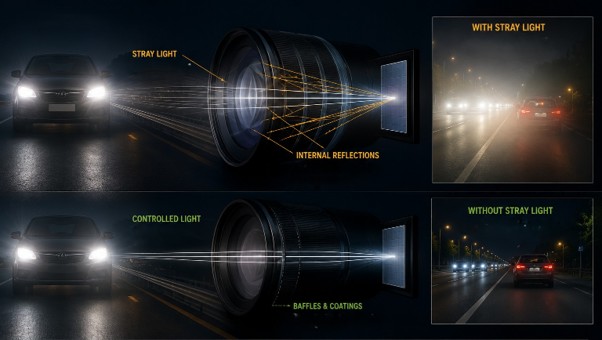
Identify Stray Light in Imaging Systems with LightTools
Stray light is undesired light radiation that interacts with the components of a system and degrades its performance by generating noise, that significantly reduces image…
-
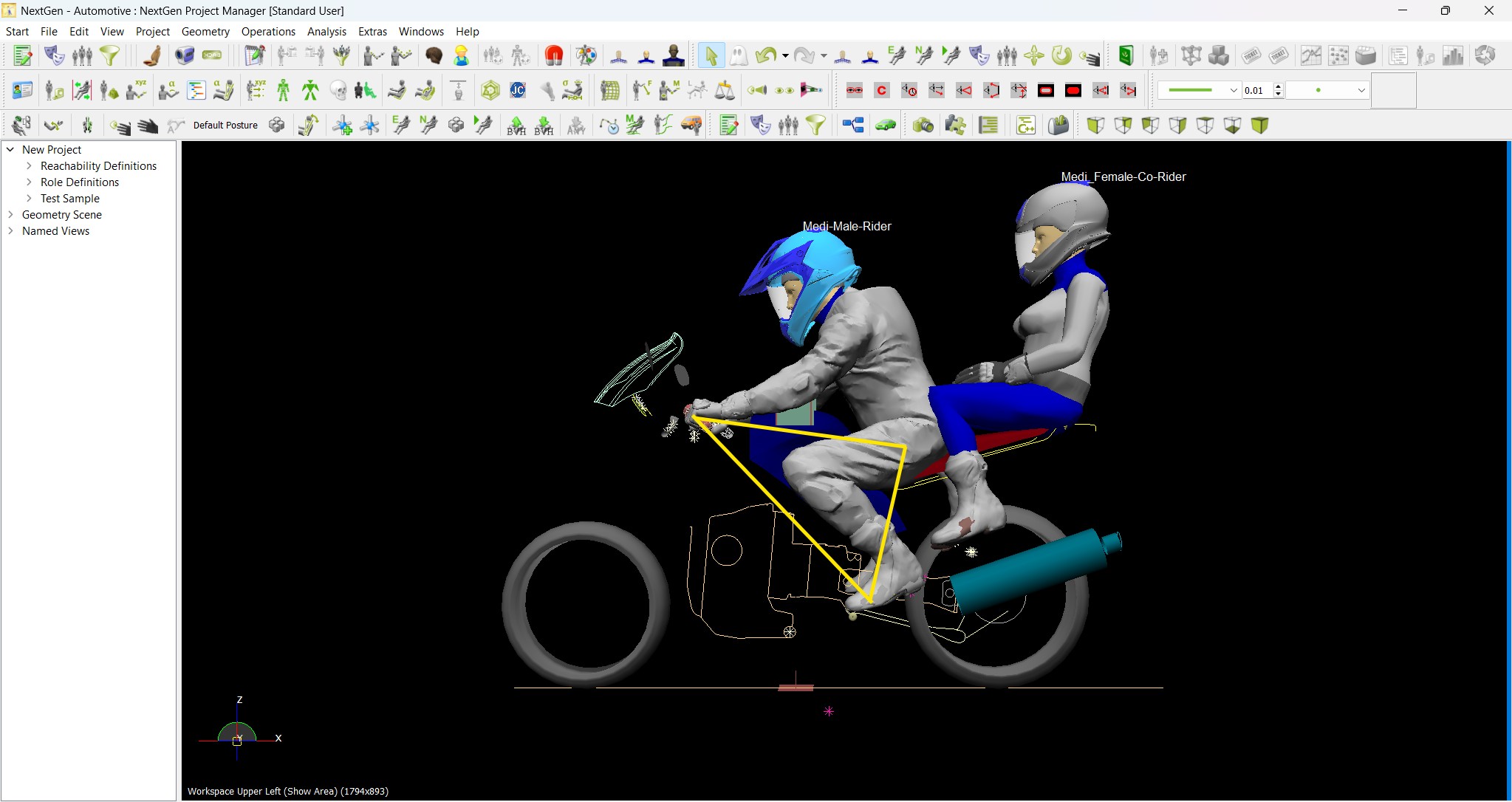
Redefining the Riding Experience with RAMSIS
In two‑wheeler design, comfort and safety start with the rider. RAMSIS (Realistic Anthropometric Mathematical System of Interior Comfort Simulation) is an ergonomic simulation platform that…
-
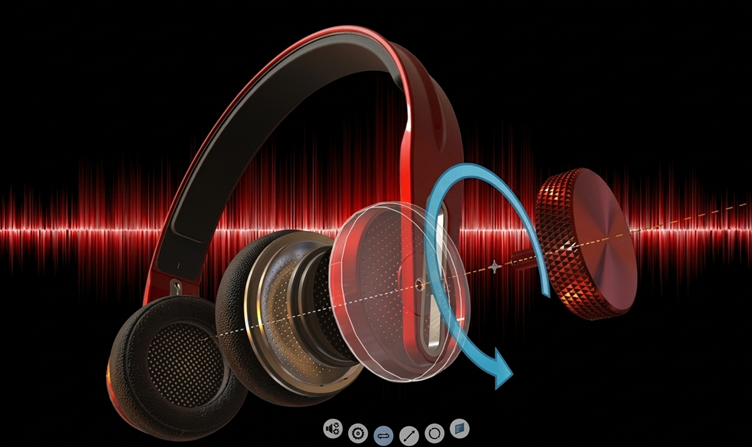
Enhancing Product Understanding through 3D Technical Illustrator
The 3D Technical Illustrator role within the 3DEXPERIENCE Platform enables organizations to transform complex engineering data into clear, interactive, and visually rich technical documentation. In…
-
Fixing Search Service Down Issue in 3DEXPERIENCE Platform
Search is one of the most critical features in the 3DEXPERIENCE platform. If the search service goes down, users cannot find objects, documents, or data—impacting…
-
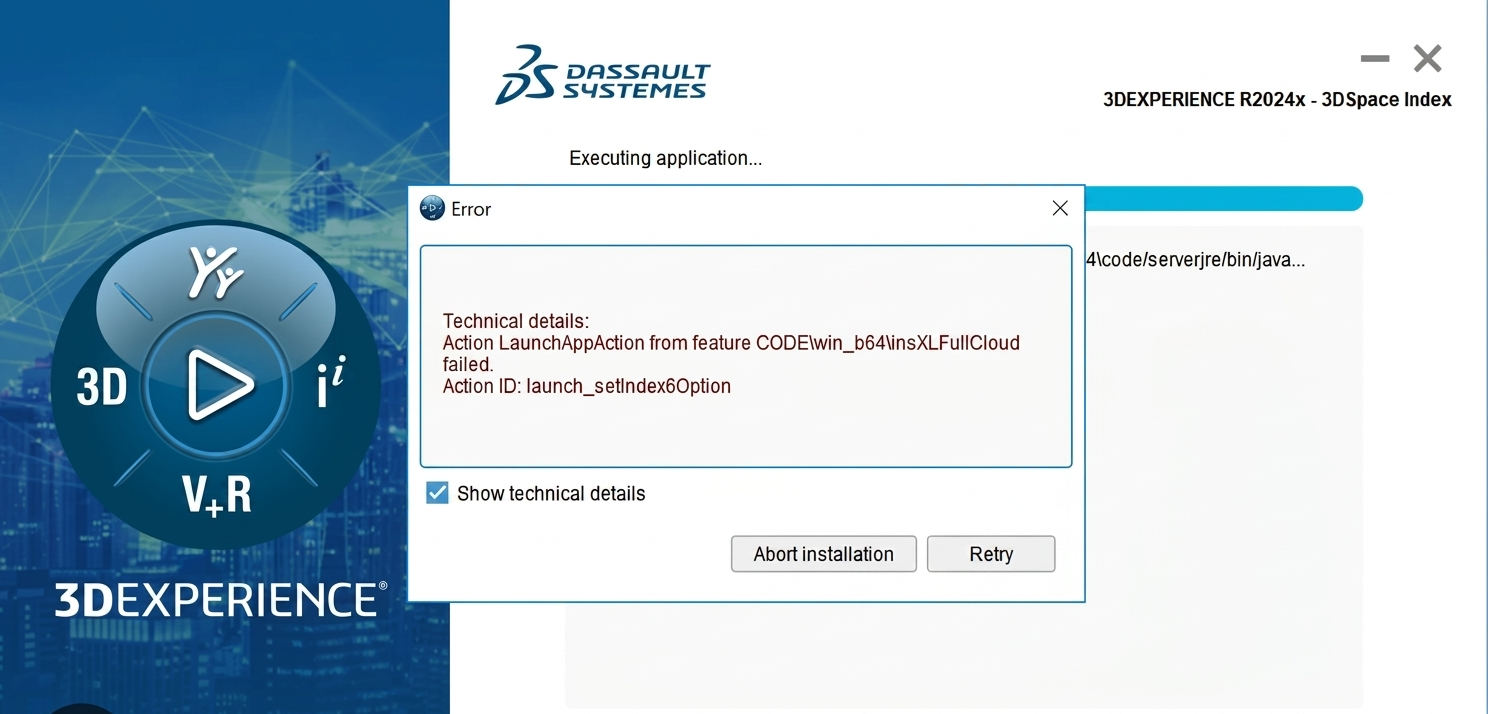
Common Installation Errors and How to Fix Them in 3DEXPERIENCE
The 3DEXPERIENCE Platform is a powerful solution used by industries worldwide for product lifecycle management (PLM), simulation, and collaboration. However, installing 3DEXPERIENCE—especially on-premise—can be complex…
-
From Classroom to Industry: Empowering Future Engineers with the 3DEXPERIENCE Platform
In today’s fast-evolving engineering and design landscape, educational institutions must go beyond conventional CAD teaching methods. While standalone tools like CATIA V5, SOLIDWORKS, or traditional…
-
CATIA Composer – Transforming Engineering Data into Interactive Technical Documentation
CATIA Composer is a powerful desktop application from Dassault Systemes designed to transform engineering 3D CAD data into highly intuitive and interactive technical documentation. In…
- Jayesh Darji
- May 12, 2026
Transforming Physical Parts into Digital Models with CATIA 3DEXPERIENCE Reverse Engineer role
Reverse engineering has become a critical capability in modern product development, especially when working with legacy components, competitor benchmarking, or physical prototypes that lack digital design data. Within the CATIA 3DEXPERIENCE ecosystem, reverse engineering is not just about recreating geometry—it is about transforming real-world data into intelligent, parametric, and fully associative models that can be reused across the product lifecycle.
At its core, reverse engineering in CATIA 3DEXPERIENCE begins with data acquisition. Physical parts are typically scanned using 3D scanning technologies such as laser scanners or structured light scanners, producing dense point clouds or mesh data (STL format). These raw datasets often contain noise, irregularities, and gaps. The platform provides robust tools to clean and optimize this scan data, ensuring accuracy before moving to the modelling phase. This preprocessing step is crucial because the quality of the final CAD model heavily depends on how well the scan data is refined.
Fig 1: Reverse Engineering Workflow: From Scan to CAD
Once the scan data is prepared, CATIA 3DEXPERIENCE offers specialized roles such as Digitized Shape Preparation (DSP) and Digitized Shape Editor (DSE) to convert mesh data into usable surfaces. Engineers can segment the mesh, extract key features, and identify geometric patterns such as planes, cylinders, and freeform surfaces. This step bridges the gap between unstructured scan data and structured CAD geometry. Unlike traditional CAD modelling, where design intent is predefined, reverse engineering requires the engineer to interpret and reconstruct the design intent from the physical model.
Fig 2: Imported Scanned data into 3DEXPERIENCE
A major advantage of reverse engineering in CATIA 3DEXPERIENCE is its ability to create parametric and feature-based models from scan data. Using advanced surfacing tools available in Generative Shape Design (GSD) and Freestyle workbenches, users can rebuild complex geometries with high precision. This is particularly useful in industries like automotive BIW (Body in White), where surface continuity (G2/G3) and accuracy are critical. The resulting model is not just a static representation—it is fully editable, allowing engineers to modify dimensions, apply constraints, and integrate it into assemblies.
Fig 3: Creating curves and converting to Surfaces
Reverse engineering also plays a vital role in inspection and validation. By comparing the reconstructed CAD model with the original scan data, engineers can perform deviation analysis to identify manufacturing defects or wear and tear. CATIA’s integration with inspection tools enables color mapping and tolerance analysis, ensuring that the recreated model meets required specifications. This is especially valuable in quality control and remanufacturing scenarios.
Fig 4: Mesh Shape Analysis showing colors based on topology.
From a collaborative standpoint, the 3DEXPERIENCE platform enhances reverse engineering workflows by enabling cloud-based data management and real-time collaboration. Teams can access scan data, CAD models, and analysis results in a unified environment, eliminating data silos. Integration with other roles across design, simulation, and manufacturing ensures that reverse-engineered models can seamlessly transition into downstream processes.
However, reverse engineering is not without challenges. Handling large scan datasets can be computationally intensive, requiring optimized hardware and data management strategies. Additionally, interpreting design intent from organic or highly complex shapes demands both technical expertise and domain knowledge. Despite these challenges, the capabilities offered by CATIA 3DEXPERIENCE significantly streamline the process and improve accuracy.
Fig 5: Final Product after Reverse Engineering
In conclusion, reverse engineering in CATIA 3DEXPERIENCE is a powerful enabler for innovation, especially in scenarios where original design data is unavailable. By combining advanced scanning integration, robust surfacing tools, parametric modelling, and knowledge-based automation, the platform transforms physical components into intelligent digital assets. For engineers working in domains like automotive tooling, aerospace, and industrial equipment, mastering reverse engineering in CATIA 3DEXPERIENCE can unlock new levels of efficiency, flexibility, and competitive advantage.