From Classroom to Industry: Empowering Future Engineers with the 3DEXPERIENCE Platform
- Jayesh Darji
- March 12, 2026
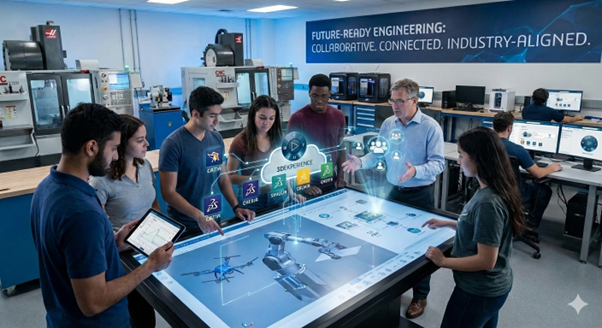
In today’s fast-evolving engineering and design landscape, educational institutions must go beyond conventional CAD teaching methods. While standalone tools like CATIA V5, SOLIDWORKS, or traditional engineering applications have served academia well for years, the industry has now shifted toward connected, collaborative, lifecycle-driven product development environments. The 3DEXPERIENCE platform by Dassault Systemes perfectly aligns with this transformation, providing universities, engineering colleges, technical institutes, and vocational training centres an industry-relevant digital ecosystem. Rather than just teaching software skills, institutions must now focus on building future-ready engineers, innovators, and digital manufacturing professionals—and 3DEXPERIENCE makes that possible.
3DEXPERIENCE is not just another design software; it is a unified business and engineering platform that integrates design, simulation, manufacturing, collaboration, PLM, and data intelligence into one cloud or on-premises environment. Students learn how real companies operate—managing product structures, change processes, digital continuity, multidisciplinary collaboration, and traceability – skills that industries demand but most graduates lack. When students work within 3DEXPERIENCE, they experience complete product lifecycle workflows: ideation, conceptual design, detailed engineering, virtual validation, manufacturing planning, documentation, and governance. This transform’s learning from tool-usage to system-thinking and enterprise-level engineering understanding.
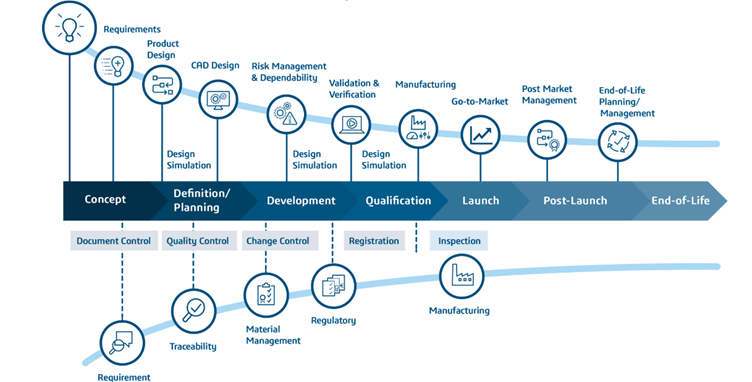
Fig- Product Lifecycle Management (PLM): From Concept to End-of-Life
One of the strongest reasons educational institutions need 3DEXPERIENCE is the shift toward collaborative product development. Modern engineering no longer happens in isolated silos. Automotive OEMs, aerospace manufacturers, robotics developers, consumer goods companies, and industrial equipment organizations all work in globally distributed teams. The platform enables role-based access, multi-disciplinary collaboration, and secured data sharing, allowing students to work like real enterprise teams. Faculty can assign team projects where mechanical, manufacturing, electrical, simulation, and management students collaborate on the same digital twin in real time. This nurtures teamwork, communication, leadership, and project management—critical employability skills.
Another major benefit is exposure to digital twin and systems engineering methodologies. Today’s smart products integrate mechanical structures, electronics, embedded systems, connectivity, and software. 3DEXPERIENCE provides integrated capabilities like CATIA for advanced design, SIMULIA for multi-physics simulation, DELMIA for manufacturing and robotics, and ENOVIA for PLM governance. Students can design a part, simulate its structural performance, plan manufacturing, and manage revisions without leaving the platform. This reinforces the principles of Model-Based Engineering, enabling students to move naturally from designing 3D geometry to engineering behaviours, performance validation, and manufacturability assessment. This prepares them for Industry 4.0 and smart manufacturing environments.
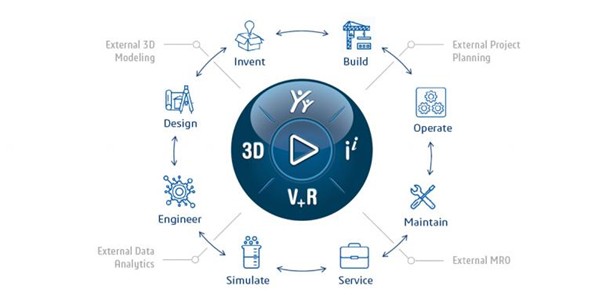
Fig- 3DEXPERIENCE Platform: Connecting Design, Simulation, Manufacturing, and Service
For institutions focusing on research, innovation, startups, and incubation centers, 3DEXPERIENCE provides a robust backbone to accelerate projects and technology development. Whether it is EV design, UAV development, additive manufacturing, biomedical devices, smart mobility systems, or industrial automation, the platform supports advanced simulation, optimization, and virtual testing – reducing prototype cost and research iteration cycles. It also supports data management and IP protection, enabling institutions to securely manage research data and collaborative projects with industries. Access to enterprise-level tools allows students and researchers to work with the same digital infrastructure used by top OEMs worldwide.
From an academic administration perspective, 3DEXPERIENCE also helps institutions modernize their curriculum digitally. Faculty can track student work, evaluate digital submissions, manage versions, and assess engineering thinking rather than just final outputs. Cloud deployment allows remote learning, enabling students to access industry-class tools from anywhere, making it ideal for hybrid and online education models. With structured educational packages, certifications, and academic licensing, institutions can enhance their reputation, strengthen industry tie-ups, and improve student placement outcomes.
In summary, educational institutions need 3DEXPERIENCE not just to teach software, but to transform learning into industry-aligned engineering practice. It bridges the gap between classroom knowledge and enterprise reality, enabling students to gain hands-on exposure to collaborative engineering, PLM processes, systems integration, digital manufacturing, simulation-driven design, and digital twin methodologies. Institutions that adopt 3DEXPERIENCE position themselves as future-ready, empowering students with the competencies required for tomorrow’s engineering challenges and making them highly valuable to global industries. If the goal is to create innovative, skilled, and industry-ready engineers, the 3DEXPERIENCE platform is no longer optional – it is essential.

Recent Posts
-
From Prototypes to Production: How Additive Manufacturing is Shaping Atmanirbhar Bharat
The conversation around additive manufacturing (AM) in India has evolved considerably over the past decade. What was once viewed primarily as a prototyping technology is…
-
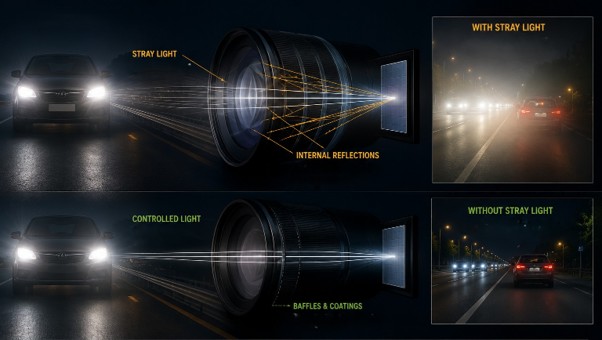
Identify Stray Light in Imaging Systems with LightTools
Stray light is undesired light radiation that interacts with the components of a system and degrades its performance by generating noise, that significantly reduces image…
-
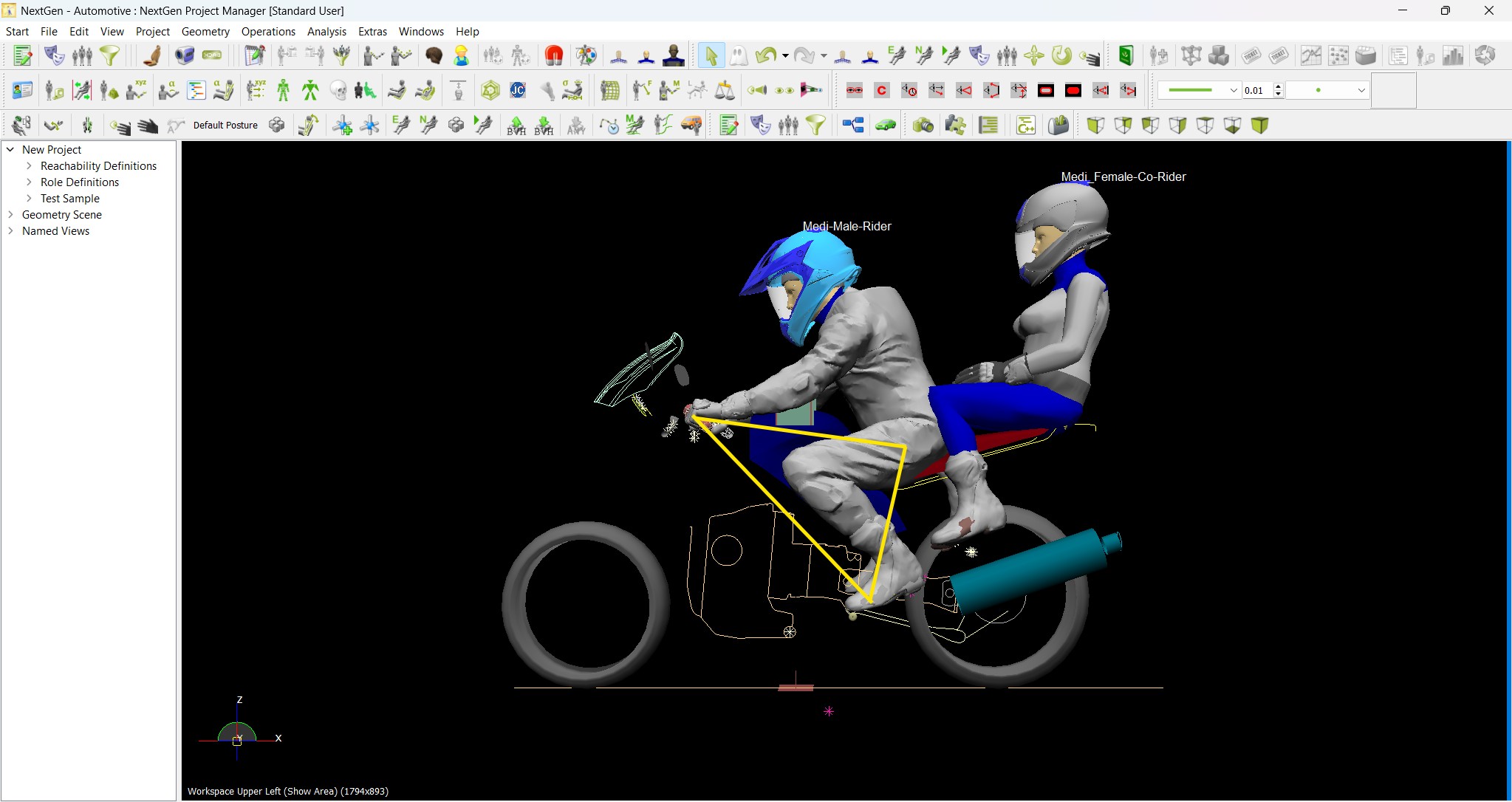
Redefining the Riding Experience with RAMSIS
In two‑wheeler design, comfort and safety start with the rider. RAMSIS (Realistic Anthropometric Mathematical System of Interior Comfort Simulation) is an ergonomic simulation platform that…
-
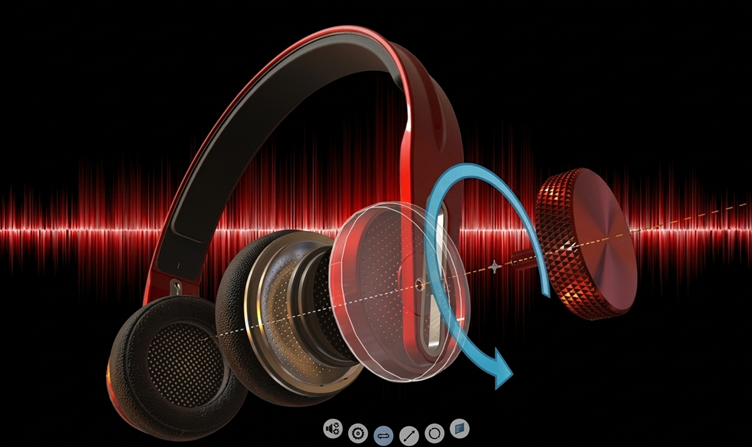
Enhancing Product Understanding through 3D Technical Illustrator
The 3D Technical Illustrator role within the 3DEXPERIENCE Platform enables organizations to transform complex engineering data into clear, interactive, and visually rich technical documentation. In…
-
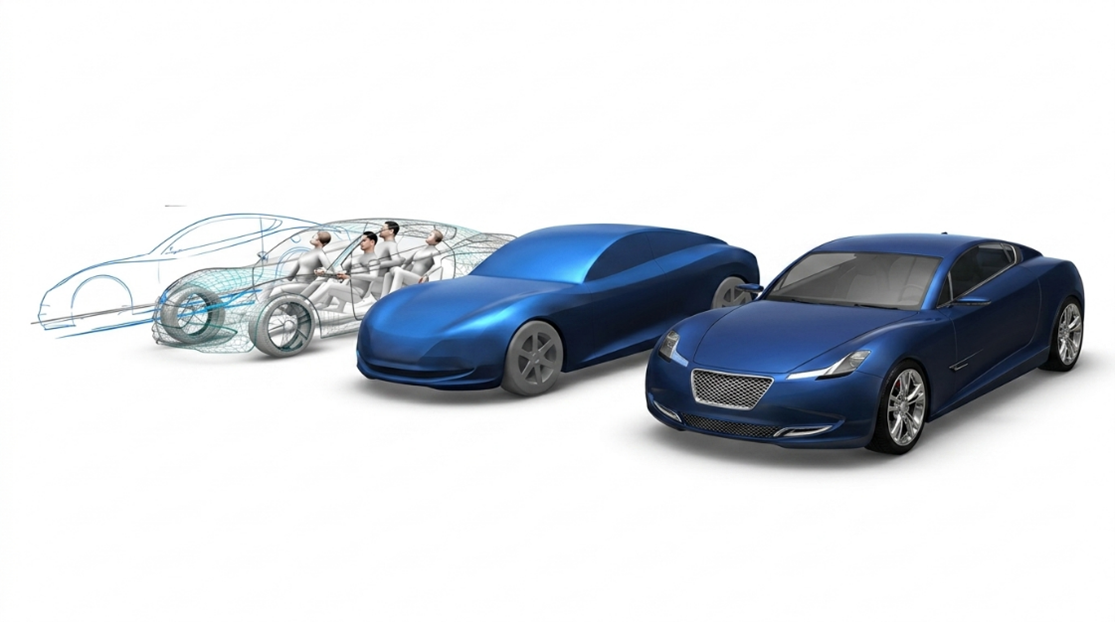
Transforming Physical Parts into Digital Models with CATIA 3DEXPERIENCE Reverse Engineer role
Reverse engineering has become a critical capability in modern product development, especially when working with legacy components, competitor benchmarking, or physical prototypes that lack digital…
-
Fixing Search Service Down Issue in 3DEXPERIENCE Platform
Search is one of the most critical features in the 3DEXPERIENCE platform. If the search service goes down, users cannot find objects, documents, or data—impacting…
-
Common Installation Errors and How to Fix Them in 3DEXPERIENCE
The 3DEXPERIENCE Platform is a powerful solution used by industries worldwide for product lifecycle management (PLM), simulation, and collaboration. However, installing 3DEXPERIENCE—especially on-premise—can be complex…
-
CATIA Composer – Transforming Engineering Data into Interactive Technical Documentation
CATIA Composer is a powerful desktop application from Dassault Systemes designed to transform engineering 3D CAD data into highly intuitive and interactive technical documentation. In…
- Jayesh Darji
- March 12, 2026
From Classroom to Industry: Empowering Future Engineers with the 3DEXPERIENCE Platform
In today’s fast-evolving engineering and design landscape, educational institutions must go beyond conventional CAD teaching methods. While standalone tools like CATIA V5, SOLIDWORKS, or traditional engineering applications have served academia well for years, the industry has now shifted toward connected, collaborative, lifecycle-driven product development environments. The 3DEXPERIENCE platform by Dassault Systemes perfectly aligns with this transformation, providing universities, engineering colleges, technical institutes, and vocational training centres an industry-relevant digital ecosystem. Rather than just teaching software skills, institutions must now focus on building future-ready engineers, innovators, and digital manufacturing professionals—and 3DEXPERIENCE makes that possible.
3DEXPERIENCE is not just another design software; it is a unified business and engineering platform that integrates design, simulation, manufacturing, collaboration, PLM, and data intelligence into one cloud or on-premises environment. Students learn how real companies operate—managing product structures, change processes, digital continuity, multidisciplinary collaboration, and traceability – skills that industries demand but most graduates lack. When students work within 3DEXPERIENCE, they experience complete product lifecycle workflows: ideation, conceptual design, detailed engineering, virtual validation, manufacturing planning, documentation, and governance. This transform’s learning from tool-usage to system-thinking and enterprise-level engineering understanding.
Fig- Product Lifecycle Management (PLM): From Concept to End-of-Life
One of the strongest reasons educational institutions need 3DEXPERIENCE is the shift toward collaborative product development. Modern engineering no longer happens in isolated silos. Automotive OEMs, aerospace manufacturers, robotics developers, consumer goods companies, and industrial equipment organizations all work in globally distributed teams. The platform enables role-based access, multi-disciplinary collaboration, and secured data sharing, allowing students to work like real enterprise teams. Faculty can assign team projects where mechanical, manufacturing, electrical, simulation, and management students collaborate on the same digital twin in real time. This nurtures teamwork, communication, leadership, and project management—critical employability skills.
Another major benefit is exposure to digital twin and systems engineering methodologies. Today’s smart products integrate mechanical structures, electronics, embedded systems, connectivity, and software. 3DEXPERIENCE provides integrated capabilities like CATIA for advanced design, SIMULIA for multi-physics simulation, DELMIA for manufacturing and robotics, and ENOVIA for PLM governance. Students can design a part, simulate its structural performance, plan manufacturing, and manage revisions without leaving the platform. This reinforces the principles of Model-Based Engineering, enabling students to move naturally from designing 3D geometry to engineering behaviours, performance validation, and manufacturability assessment. This prepares them for Industry 4.0 and smart manufacturing environments.
Fig- 3DEXPERIENCE Platform: Connecting Design, Simulation, Manufacturing, and Service
For institutions focusing on research, innovation, startups, and incubation centers, 3DEXPERIENCE provides a robust backbone to accelerate projects and technology development. Whether it is EV design, UAV development, additive manufacturing, biomedical devices, smart mobility systems, or industrial automation, the platform supports advanced simulation, optimization, and virtual testing – reducing prototype cost and research iteration cycles. It also supports data management and IP protection, enabling institutions to securely manage research data and collaborative projects with industries. Access to enterprise-level tools allows students and researchers to work with the same digital infrastructure used by top OEMs worldwide.
From an academic administration perspective, 3DEXPERIENCE also helps institutions modernize their curriculum digitally. Faculty can track student work, evaluate digital submissions, manage versions, and assess engineering thinking rather than just final outputs. Cloud deployment allows remote learning, enabling students to access industry-class tools from anywhere, making it ideal for hybrid and online education models. With structured educational packages, certifications, and academic licensing, institutions can enhance their reputation, strengthen industry tie-ups, and improve student placement outcomes.
In summary, educational institutions need 3DEXPERIENCE not just to teach software, but to transform learning into industry-aligned engineering practice. It bridges the gap between classroom knowledge and enterprise reality, enabling students to gain hands-on exposure to collaborative engineering, PLM processes, systems integration, digital manufacturing, simulation-driven design, and digital twin methodologies. Institutions that adopt 3DEXPERIENCE position themselves as future-ready, empowering students with the competencies required for tomorrow’s engineering challenges and making them highly valuable to global industries. If the goal is to create innovative, skilled, and industry-ready engineers, the 3DEXPERIENCE platform is no longer optional – it is essential.