Optimizing Manufacturing with DELMIA Factory Flow Simulation

- Panjab Borkar
- September 5, 2025
Optimizing factory layouts, workflows, and material movement is essential for increasing productivity and cutting expenses in the fast-paced manufacturing sector of today. Manufacturers can digitally model, analyze, and optimize their manufacturing operations with Dassault Systèmes’ sophisticated DELMIA manufacturing Flow Simulation system. Before making tangible changes, companies can find inefficiencies, cut waste, and boost productivity by modelling manufacturing flows.
Efficiency and cost reduction are critical in the highly competitive manufacturing environment of today. Conventional production planning techniques can result in unforeseen bottlenecks, inefficiencies, and expensive operating expenses. Dassault Systèmes’ state-of-the-art DELMIA Factory Flow Simulation transforms production by offering a digital twin of factory activities.
Before adjusting in the real world, producers may use this potent tool to visualize, analyze, and optimize workforce dynamics, machine interactions, and material flow. Businesses may proactively detect inefficiencies, optimize production processes, and boost overall productivity by utilizing virtual simulation, which results in more intelligent, data-driven decision-making.

DELMIA Factory Flow Simulation: What is it?
DELMIA Factory Flow Simulation enables businesses to model and examine worker dynamics, machine interactions, and material flow in a digital twin of their plant. Without interfering with real production lines, this application offers insights into resource usage, process optimization, and logistics constraints.

DELMIA Factory Flow Simulation’s Salient Features
Modelling a virtual factory
- Make a digital replica of the factory setting.
- Workstations, robotic systems, AGVs, conveyors, and model machines.
- Imagine how materials move and interact with one another.
Analysis of Material Flow
- Logistics and inventory movement can be simulated and optimized.
- Analyse storage and transportation procedures to eliminate bottlenecks.
- Integrate real-time data to increase supply chain efficiency.
Optimization of Processes
- Before making any physical alterations, consider various plant layout situations.
- For increased efficiency, arrange workstations optimally.
- Reduce cycle time and enhance assembly line balancing.
Workforce Planning and Resource Utilization
- Optimize operator mobility and labour allocation.
- Cut down on idle time and boost resource effectiveness.
- Simulate possible risks and ergonomic issues to improve safety.
Integration of Real-Time Data and Performance Metrics
- Create performance reports using key performance indicators (KPIs) as lead time, throughput, and utilization.
- For dynamic simulation, integrate real-time production data with the Internet of Things.
- To anticipate such interruptions, use predictive analytics.
Advantages of Factory Flow Simulation using DELMIA
More Effectiveness
- Determine which activities don’t bring value and get rid of them.
- Optimize workflow and cut down on material handling time.
Cost-Cutting
- Optimize energy use, cut down on manufacturing delays, and minimize waste.
- Reduce capital expenditure by remotely testing layouts and process enhancements.
Flexibility & Agility
- Simulate several manufacturing situations in order to quickly adjust to changes in the market.
- Analyse how new product launches affect manufacturing processes.
- Improved ability to make decisions.
- Insights based on data for planners and managers of factories.
- Before implementing layout modifications, estimate their effects.
DELMIA Factory Flow Simulation Applications
- Automotive & Aerospace: Streamline logistics and assembly lines in intricate production settings.
- Industrial Equipment: Increase resource efficiency and machine utilization.
- Electronics & Consumer Products: Simplify high-volume production procedures.
- Logistics & Warehousing: Improve warehouse management and inventory flow.
Conclusion
For manufacturers looking to digitally optimize their industrial processes, DELMIA industrial Flow Simulation is revolutionary. Businesses may improve productivity, cut expenses, and streamline processes by utilizing virtual simulation, predictive analytics, and real-time data integration.

Recent Posts
-
From Prototypes to Production: How Additive Manufacturing is Shaping Atmanirbhar Bharat
The conversation around additive manufacturing (AM) in India has evolved considerably over the past decade. What was once viewed primarily as a prototyping technology is…
-
Identify Stray Light in Imaging Systems with LightTools
Stray light is undesired light radiation that interacts with the components of a system and degrades its performance by generating noise, that significantly reduces image…
-
Redefining the Riding Experience with RAMSIS
In two‑wheeler design, comfort and safety start with the rider. RAMSIS (Realistic Anthropometric Mathematical System of Interior Comfort Simulation) is an ergonomic simulation platform that…
-
Enhancing Product Understanding through 3D Technical Illustrator
The 3D Technical Illustrator role within the 3DEXPERIENCE Platform enables organizations to transform complex engineering data into clear, interactive, and visually rich technical documentation. In…
-
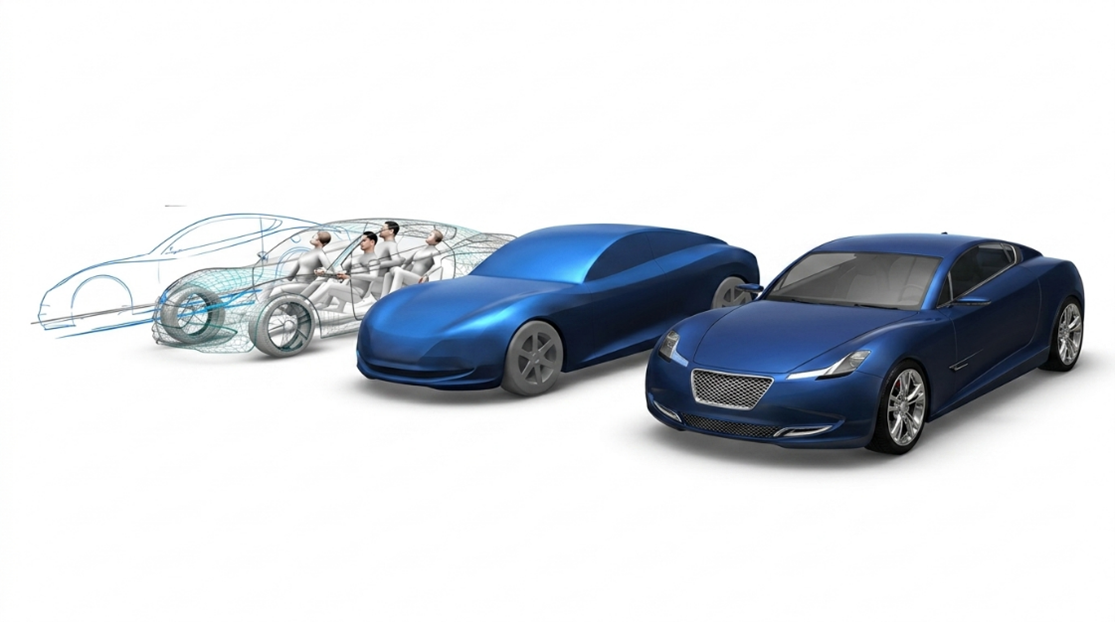
Transforming Physical Parts into Digital Models with CATIA 3DEXPERIENCE Reverse Engineer role
Reverse engineering has become a critical capability in modern product development, especially when working with legacy components, competitor benchmarking, or physical prototypes that lack digital…
-
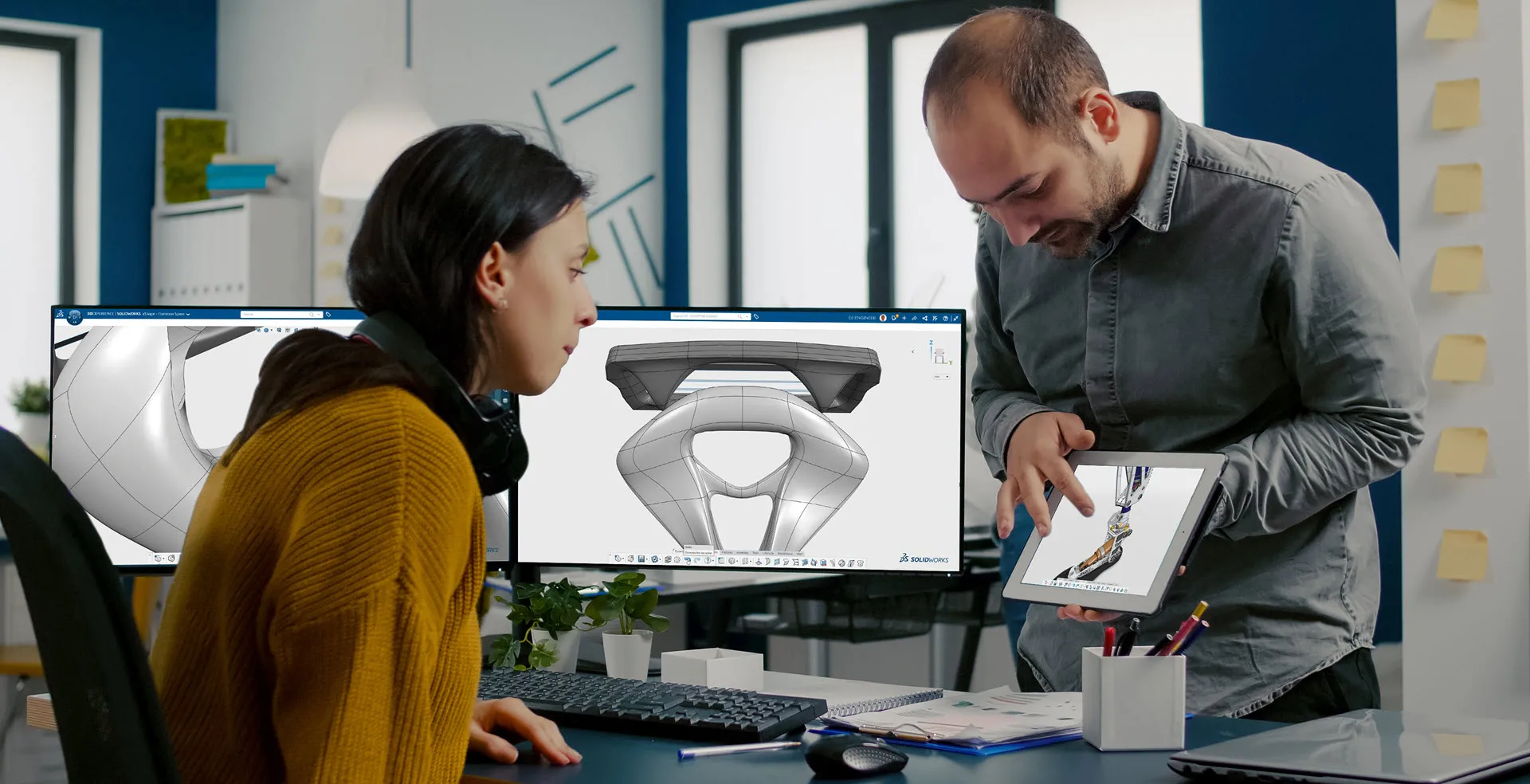
Fixing Search Service Down Issue in 3DEXPERIENCE Platform
Search is one of the most critical features in the 3DEXPERIENCE platform. If the search service goes down, users cannot find objects, documents, or data—impacting…
-
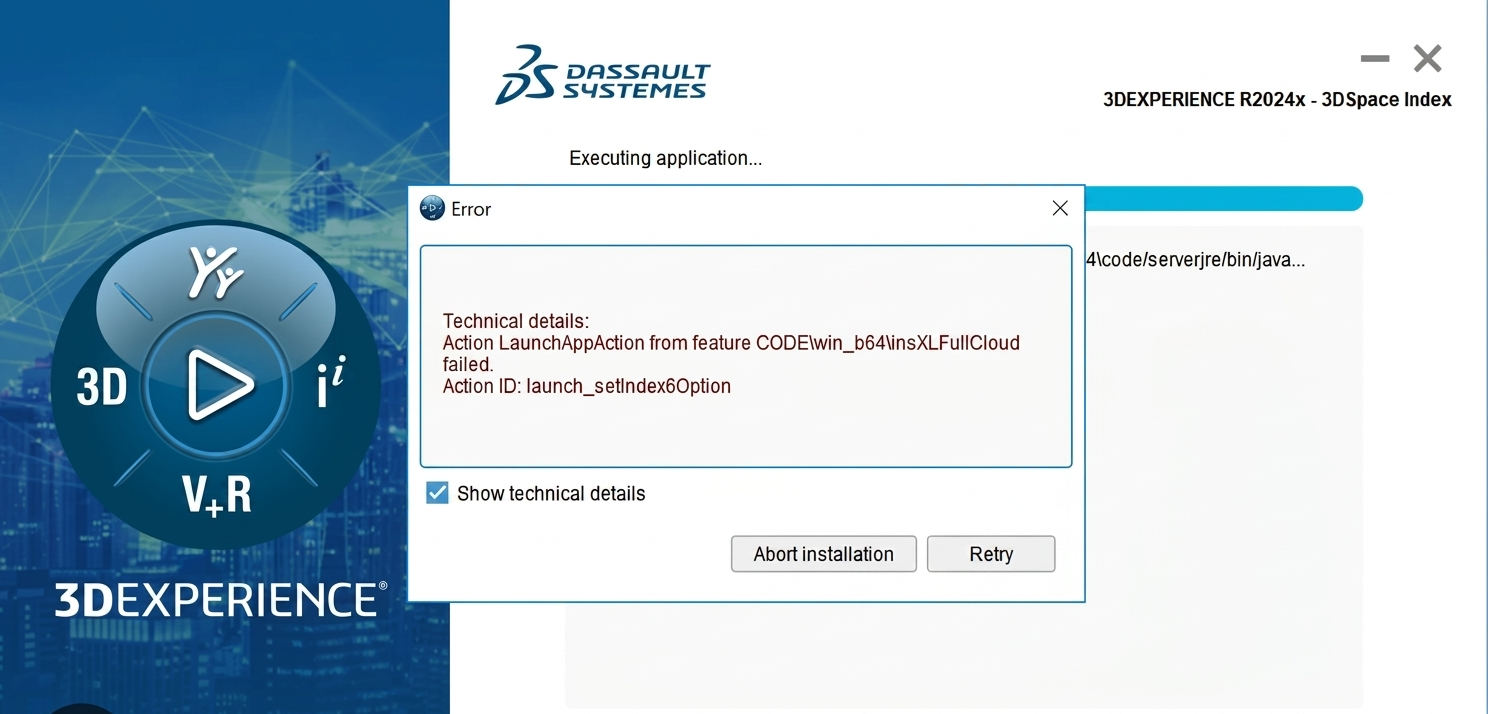
Common Installation Errors and How to Fix Them in 3DEXPERIENCE
The 3DEXPERIENCE Platform is a powerful solution used by industries worldwide for product lifecycle management (PLM), simulation, and collaboration. However, installing 3DEXPERIENCE—especially on-premise—can be complex…
-
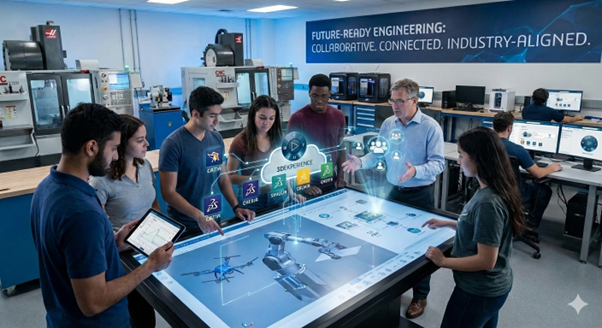
From Classroom to Industry: Empowering Future Engineers with the 3DEXPERIENCE Platform
In today’s fast-evolving engineering and design landscape, educational institutions must go beyond conventional CAD teaching methods. While standalone tools like CATIA V5, SOLIDWORKS, or traditional…
- Panjab Borkar
- September 5, 2025
Optimizing Manufacturing with DELMIA Factory Flow Simulation
Optimizing factory layouts, workflows, and material movement is essential for increasing productivity and cutting expenses in the fast-paced manufacturing sector of today. Manufacturers can digitally model, analyze, and optimize their manufacturing operations with Dassault Systèmes’ sophisticated DELMIA manufacturing Flow Simulation system. Before making tangible changes, companies can find inefficiencies, cut waste, and boost productivity by modelling manufacturing flows.
Efficiency and cost reduction are critical in the highly competitive manufacturing environment of today. Conventional production planning techniques can result in unforeseen bottlenecks, inefficiencies, and expensive operating expenses. Dassault Systèmes’ state-of-the-art DELMIA Factory Flow Simulation transforms production by offering a digital twin of factory activities.
Before adjusting in the real world, producers may use this potent tool to visualize, analyze, and optimize workforce dynamics, machine interactions, and material flow. Businesses may proactively detect inefficiencies, optimize production processes, and boost overall productivity by utilizing virtual simulation, which results in more intelligent, data-driven decision-making.
DELMIA Factory Flow Simulation: What is it?
DELMIA Factory Flow Simulation enables businesses to model and examine worker dynamics, machine interactions, and material flow in a digital twin of their plant. Without interfering with real production lines, this application offers insights into resource usage, process optimization, and logistics constraints.
DELMIA Factory Flow Simulation’s Salient Features
Modelling a virtual factory
- Make a digital replica of the factory setting.
- Workstations, robotic systems, AGVs, conveyors, and model machines.
- Imagine how materials move and interact with one another.
Analysis of Material Flow
- Logistics and inventory movement can be simulated and optimized.
- Analyse storage and transportation procedures to eliminate bottlenecks.
- Integrate real-time data to increase supply chain efficiency.
Optimization of Processes
- Before making any physical alterations, consider various plant layout situations.
- For increased efficiency, arrange workstations optimally.
- Reduce cycle time and enhance assembly line balancing.
Workforce Planning and Resource Utilization
- Optimize operator mobility and labour allocation.
- Cut down on idle time and boost resource effectiveness.
- Simulate possible risks and ergonomic issues to improve safety.
Integration of Real-Time Data and Performance Metrics
- Create performance reports using key performance indicators (KPIs) as lead time, throughput, and utilization.
- For dynamic simulation, integrate real-time production data with the Internet of Things.
- To anticipate such interruptions, use predictive analytics.
Advantages of Factory Flow Simulation using DELMIA
More Effectiveness
- Determine which activities don’t bring value and get rid of them.
- Optimize workflow and cut down on material handling time.
Cost-Cutting
- Optimize energy use, cut down on manufacturing delays, and minimize waste.
- Reduce capital expenditure by remotely testing layouts and process enhancements.
Flexibility & Agility
- Simulate several manufacturing situations in order to quickly adjust to changes in the market.
- Analyse how new product launches affect manufacturing processes.
- Improved ability to make decisions.
- Insights based on data for planners and managers of factories.
- Before implementing layout modifications, estimate their effects.
DELMIA Factory Flow Simulation Applications
- Automotive & Aerospace: Streamline logistics and assembly lines in intricate production settings.
- Industrial Equipment: Increase resource efficiency and machine utilization.
- Electronics & Consumer Products: Simplify high-volume production procedures.
- Logistics & Warehousing: Improve warehouse management and inventory flow.
Conclusion
For manufacturers looking to digitally optimize their industrial processes, DELMIA industrial Flow Simulation is revolutionary. Businesses may improve productivity, cut expenses, and streamline processes by utilizing virtual simulation, predictive analytics, and real-time data integration.