Game Changing EOS Systems for Lifestyle and Consumer Goods Industry: Eyewear Applications

Every person’s face is as unique as their personality, making custom eyewear not just a luxury but a necessity for optimal comfort and functionality. Traditional methods of manufacturing glasses frames are labor-intensive and costly, especially when tailored to individual needs. However, industrial 3D printing, particularly with EOS systems, has revolutionized this process, offering unmatched customization, efficiency, and sustainability.


The Power of EOS Technology in Eyewear Manufacturing

EOS additive manufacturing systems enable the production of both metal and plastic glass frames that meet the highest demands for design, functionality, and aesthetics. By combining cutting-edge technology with innovative materials like PA 2200, eyewear manufacturers can deliver frames that are not only lightweight and robust but also tailored to the unique facial features of each customer.
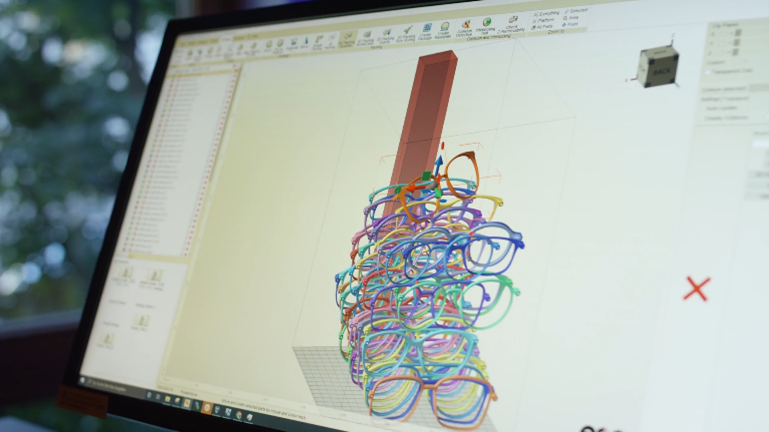
Fig.1: EOS system configuration for Eyewear production on demand


Key Advantages of EOS 3D Printing for Eyewear

  • Virtually Limitless Customization: Glass frames can be designed to fit the exact contours of a customer’s face using 3D scanning technology.
  • Enhanced Comfort: Lightweight and stable designs ensure maximum wearability.
  • Sustainability: Reduced material waste and the ability to reuse leftover material make the process eco-friendly.
  • Rapid Prototyping and Production: Quick turnaround times enable faster time-to-market and the ability to respond to customer demands swiftly.
  • Cost-Efficiency: Additive manufacturing eliminates the need for minimum order quantities, allowing for the economical production of small batches or single units.

Success Story: 3x More Sustainable 3D Printed Eyewear by You Mawo

The innovative start-up You Mawo exemplifies the transformative potential of EOS 3D printing technology in eyewear. By leveraging the EOS P 396 system and PA 2200 material, You Mawo produces glasses frames that are:

  • 30% Lighter than Acetate: The reduced weight enhances comfort without compromising durability.
  • Tailored to Individual Needs: Frames are based on 3D scans of customers’ faces, ensuring a perfect fit.
  • Environmentally Friendly: Additive manufacturing minimizes overproduction and shortens delivery paths, reducing the carbon footprint.
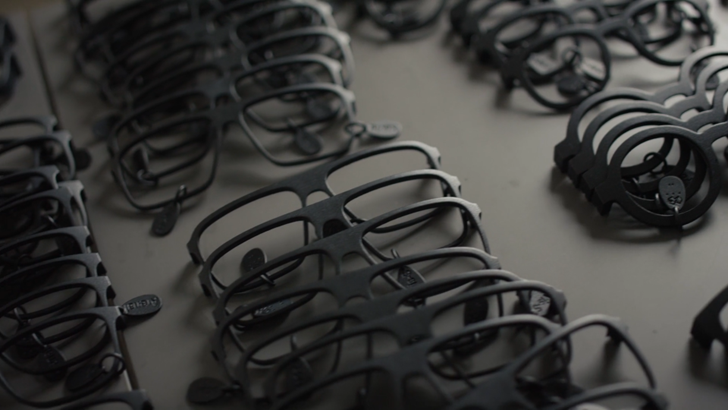
 

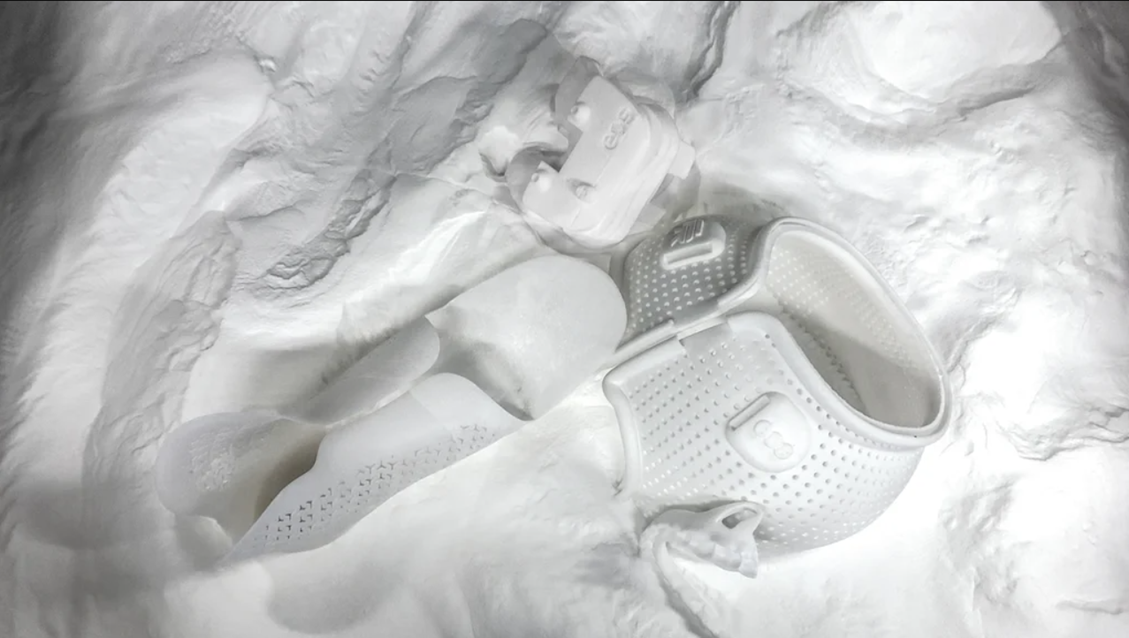
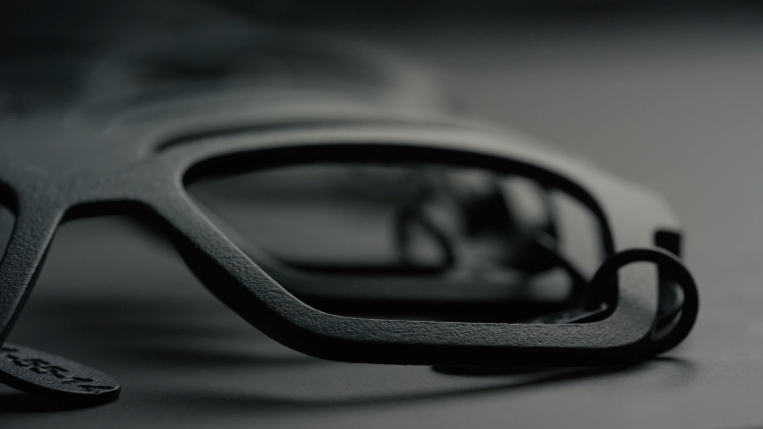
Fig. 2: Production of Customized and Personalized Eyewear using EOS SLS Process


The BRAGi Eyewear Revolution

Nanjing BRAGi Optical Technology Co., Ltd., has embraced EOS additive manufacturing for its business model. Using the FORMIGA P 110 Velocis system and PA 2200 material, BRAGi has created a streamlined process that includes:

  • Scan-to-Print Workflow: Customers’ facial data is captured via 3D scanning, enabling precise customization.
  • High-Quality Finishes: The material’s purity and surface quality allow for seamless post-processing and vibrant coloring.
  • Hypoallergenic and Durable Frames: The glasses are not only lightweight and robust but also hypoallergenic, making them suitable for sensitive skin.


In just a few months, BRAGi produced over 30,000 custom glasses frames, expanding its market across Asia and receiving inquiries from Europe. This success underscores the scalability and global appeal of additive manufacturing in the eyewear industry.
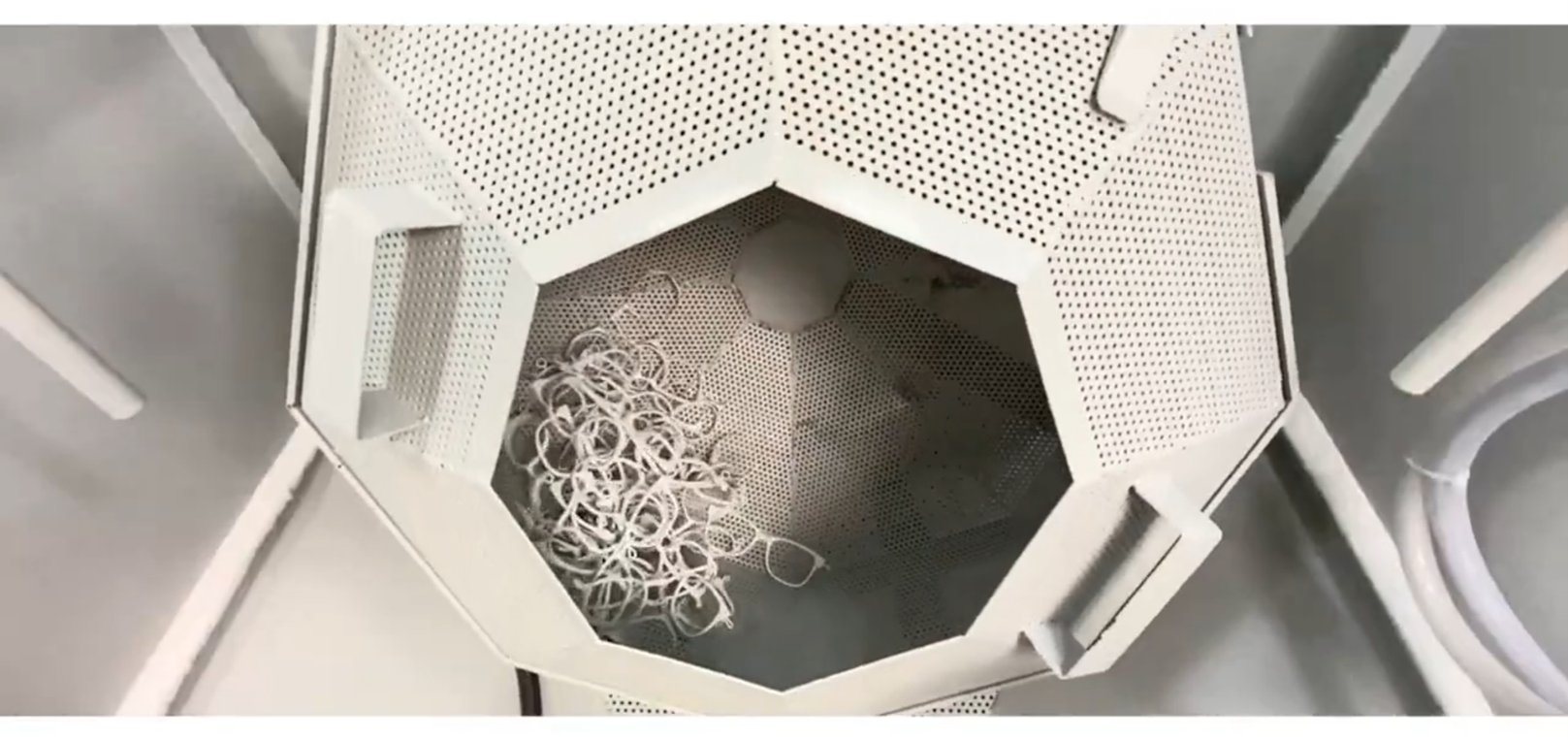
Fig. 3: Scaled Finishing process for Production of Eyewear


The Strategic Advantage: P3 Next System for Eyewear Manufacturing

For eyewear manufacturers looking to scale their operations while maintaining precision and quality, the P3 Next system offers an unmatched commercial advantage. Its cutting-edge capabilities are tailored to meet the high demands of the eyewear industry, delivering both cost efficiency and superior performance.
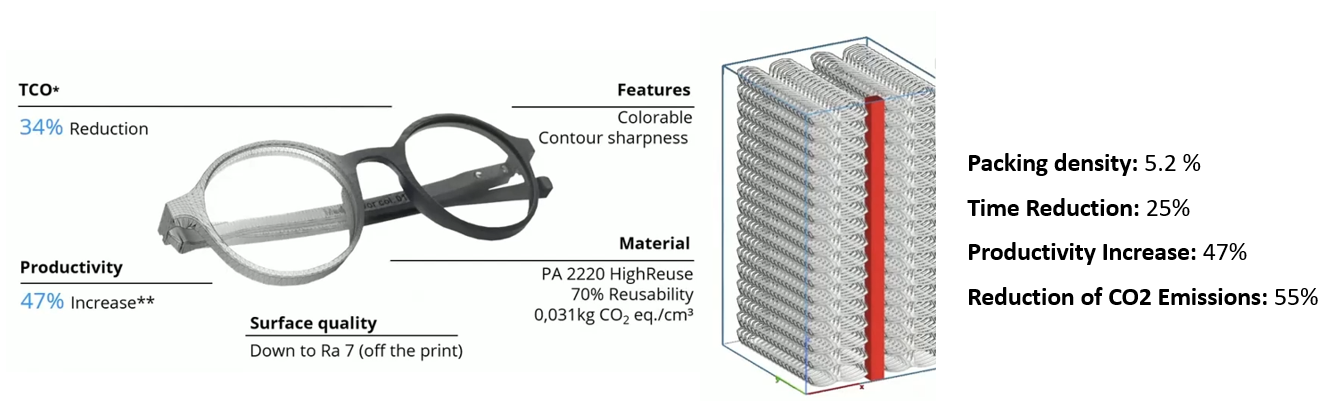
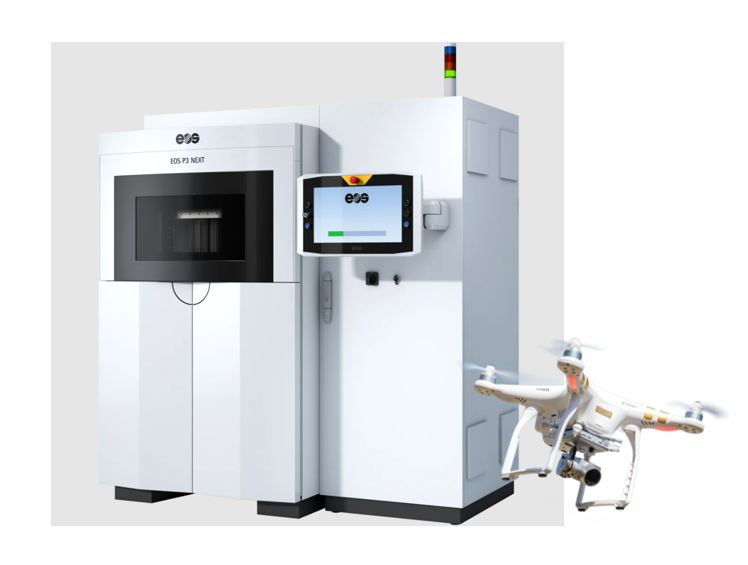
Fig. 4: Improved throughput of efficient EOS P3 Next for Eyewear Application


Key Advantages of the P3 Next System

  • Enhanced Productivity: Optimized workflow and innovative software boost machine productivity by 50% while reducing costs by 30%.
  • Maximized Machine Availability: Achieve up to 90% machine availability with double material efficiency and an impressive 80% reusability rate.
  • Advanced Software Solutions: Efficiently manage data preparation, production, and analytics for streamlined operations.
  • Innovative Peripherals: Simplify workflows with state-of-the-art peripherals for part unpacking, finishing, material sieving, and mixing.
  • Scalable and Cost-Effective: Enable scalable production with a minimal footprint, perfect for growing businesses.
  • Precision-Driven Quality: Deliver consistent, high-quality results tailored to every application.
  • Quick Time-to-Market: Leverage optimized and proven parameter sets to accelerate production timelines.
  • Customizable Settings: Enhance both quality and performance with adjustable settings designed for specific needs.

 

Reinventing the Automotive Supply Chain with the Digital Experience Platform

Increased product complexity, global sourcing & disruptions, uncertainty, sustainability and regulatory pressures, consumer demand shifts, and cost pressures are some of the significant challenges that the automotive supply chain is facing today. These challenges demand a reinvention to remain resilient, efficient, and responsive to the evolving market. Connecting every stakeholder in the ecosystem can improve collaboration, streamline processes, and enhance product development to rapidly changing market conditions.


Digital Transformation: Catalyst to Reinvent Automotive Supply Chain

Digital transformation is no longer just a trend but a fundamental shift in how automotive industries operate and evolve. For the automotive supply chain, digital transformation offers an unprecedented opportunity to enhance efficiency, responsiveness, and resilience. By integrating advanced technologies, the automotive industry can break down silos, enhance real-time data access, and accelerate decision-making processes.

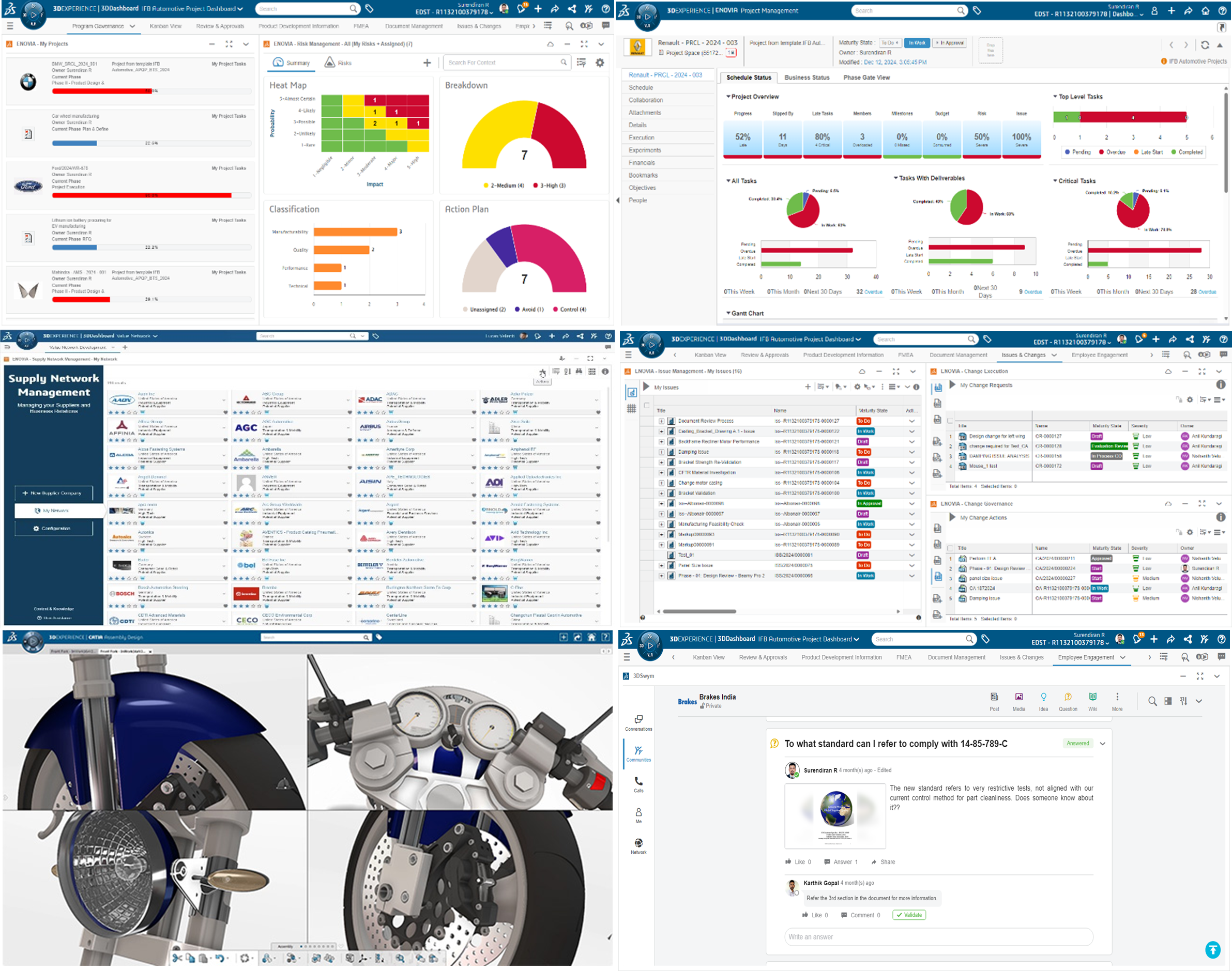
The 3DEXPERIENCE platform by Dassault Systèmes provides a suite of integrated tools that enable seamless collaboration between Automotive Original Equipment Manufacturers (OEMs) and their suppliers. This digital platform allows both teams to collaborate more efficiently, manage data, and enhance innovation throughout the product lifecycle.


Here’s a breakdown of how the 3DEXPERIENCE Platform can revolutionize the automotive supply chain

  • Integrated Digital Collaboration Hub: Cross-Disciplinary Collaboration within the company & supplier engagement
  • Supplier-Integrated Design & Development: Co-Design Capabilities & Concurrent Engineering
  • Real-Time Visibility and Traceability: Digital thread with real time updates
  • Collaborative Supply Chain Management
  • Collaborative product development with comphrensive & transparent change management process
  • Advanced Simulation and Testing
  • Supplier Performance Management
  • Cloud-Based Collaboration for Global Teams
  • Sustainability and Environmental Impact assessment solutions


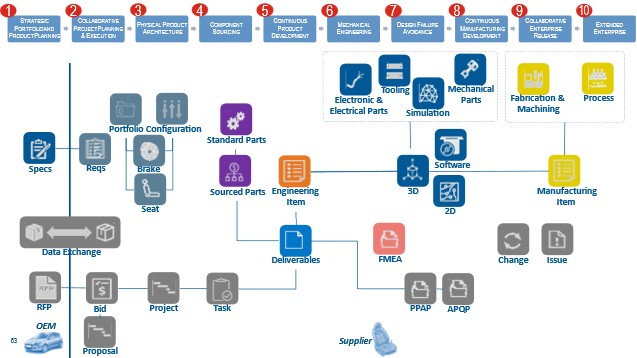
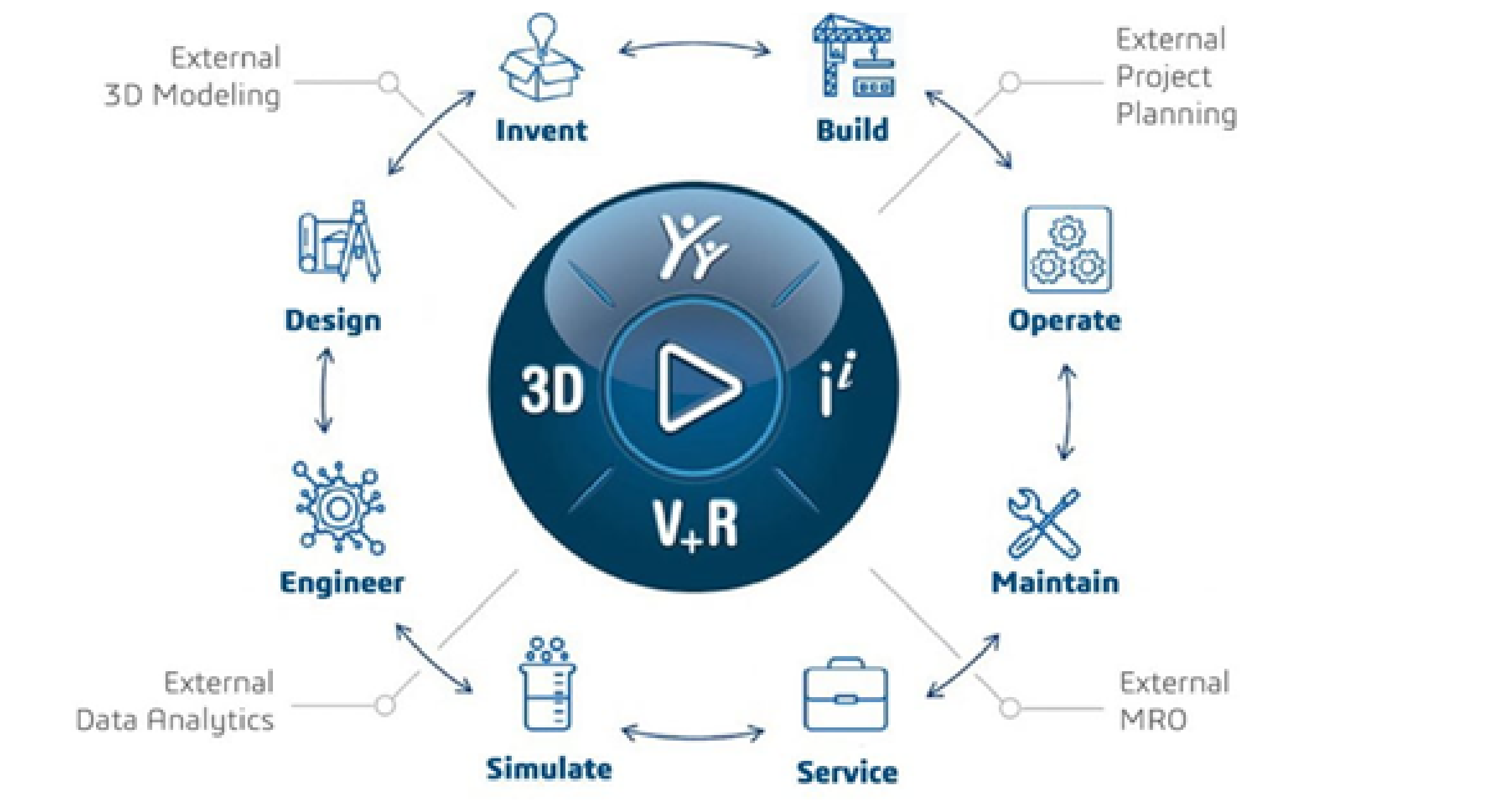
3DEXPERIENCE Solution Landscape for Automotive Supply Chain


Overall, the 3DEXPERIENCE platform empowers OEMs and their suppliers to work together more efficiently, transparently, and innovatively across the entire automotive product lifecycle. By providing a collaborative digital environment that integrates design, engineering, manufacturing, and supply chain management, 3DEXPERIENCE enhances the ability of OEMs and suppliers to align on goals, resolve issues faster, and accelerate time-to-market. From real-time data access and collaborative design to supplier performance management and advanced simulations, this platform is a game-changer for the automotive industry, driving greater innovation and operational efficiency.

To get more information & insights on how the 3DEXPERIENCE Platform drives business transformation in the automotive industry, please reach out to us at marketing@edstechnologies.com

Transforming Prosthetics and Orthoses Manufacturing with the EOS SLS Process

The fields of prosthetics and orthoses have witnessed significant advancements in recent years, driven by the adoption of additive manufacturing (AM) technologies. Among these, the EOS Selective Laser Sintering (SLS) process stands out as a transformative method, offering unmatched precision, customization, and efficiency. By leveraging the unique capabilities of SLS, manufacturers can create prosthetic and orthotic devices that enhance mobility, comfort, and quality of life for users.


The Need for Advanced Manufacturing in Prosthetics and Orthoses

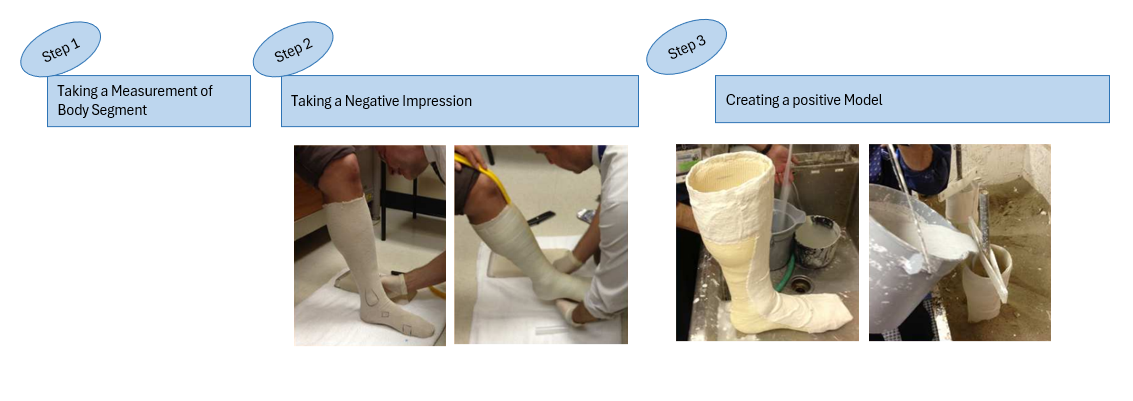
Traditional manufacturing methods for prosthetics and orthoses often involve labour-intensive processes with limited customization. Patients’ unique anatomical needs and functional requirements can be challenging to address with these conventional techniques. Additive manufacturing, and specifically the EOS SLS process, addresses these limitations by enabling:

  • Personalization: Tailoring designs to fit individual anatomy and specific functional requirements.
  • Complex Geometries: Creating intricate structures such as lattice designs for lightweight yet strong components.
  • Rapid Prototyping: Accelerating the design-to-manufacturing cycle for quicker delivery.
  • Material Versatility: Using high-performance polymers that ensure durability and comfort.

Fig. 1: Conventional Manufacturing Workflow of AFO (Ankle – Foot – Orthosis)


How does the EOS SLS Process Works?

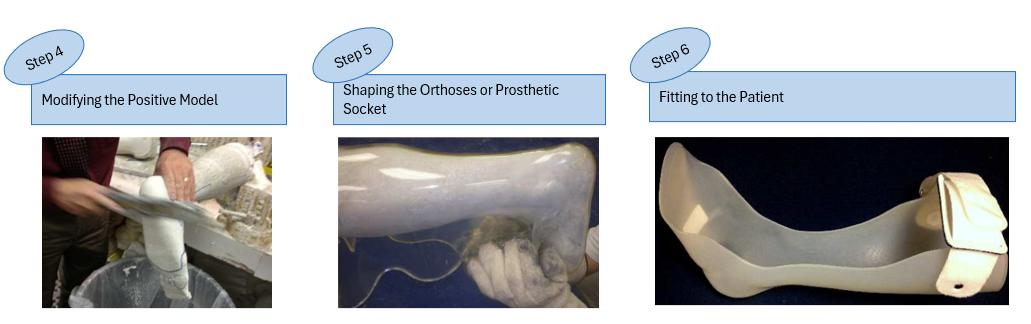
The EOS SLS process involves the use of a high-powered laser to selectively fuse polymer powder layer by layer, creating precise and durable parts. This technology eliminates the need for support structures, allowing for greater design freedom and efficient material usage. It is particularly well-suited for prosthetics and orthoses due to its ability to produce lightweight, robust, and anatomically accurate components.

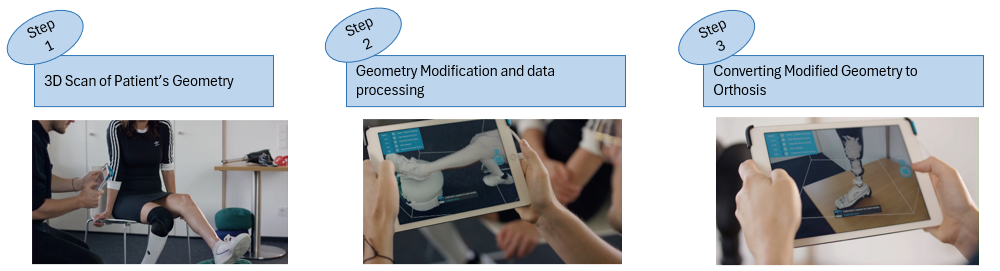
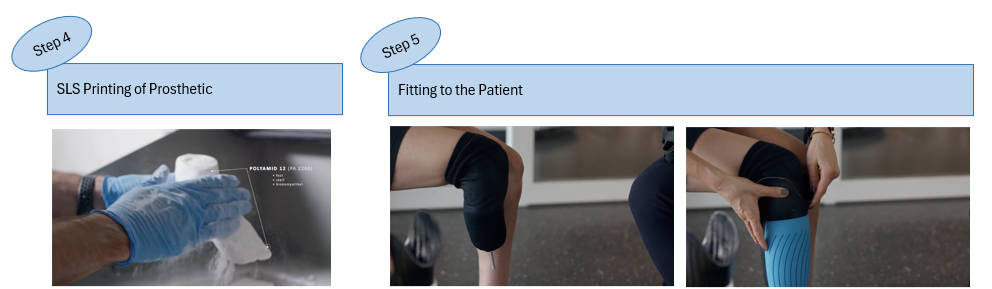
Fig. 2: Digital Manufacturing Workflow of AFO (Ankle – Foot – Orthosis) | Courtesy – (EOS Website)


Materials for Prosthetics and Orthoses

EOS offers a range of materials that cater to the specific needs of prosthetic and orthotic devices:

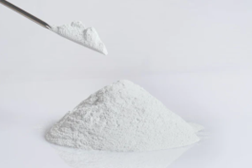
  • EOS PA 1101: A bio-based polyamide known for its elasticity, impact resistance, and durability, making it ideal for lightweight and flexible components.


Fig. 3: Bio – Based EOS PA 1101 carbon reduced material specifically designed for O & P applications


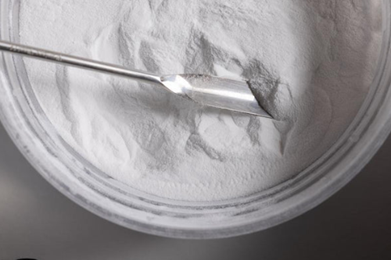
  •  EOS PA 2200: A versatile material known for its strength, flexibility, and biocompatibility, making it ideal for components that come in contact, with the skin.


Fig. 4: Biocompatible EOS PA 2200 material widely used for O & P applications


Advantages of Additive Manufacturing for Orthoses and Prostheses

  • Virtually limitless customization potential: Tailor designs for unique anatomical and functional needs, enabling unmatched personalization.
  • Optimal comfort for the wearer: Lightweight and stable designs ensure comfort, even with complex structures.
  • Sustainability: Minimized material consumption, with unused material being reusable, making the process eco-friendly.
  • Quick adjustments: Easily implement modifications, such as accommodating growth in children.
  • Enhanced functionality: Integrate features for elasticity, breathability, and other functional benefits to increase comfort.
  • Fully digital workflow: From scanning to finished product, the streamlined process ensures faster availability.

Applications of SLS in Prosthetics and Orthoses

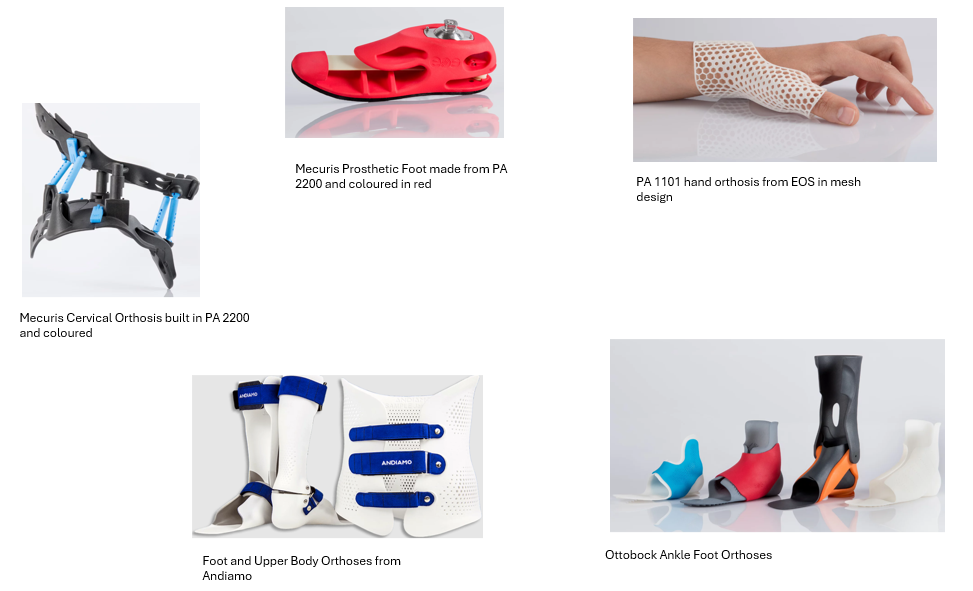
  • Prosthetic Sockets: Precisely contoured sockets ensure a snug fit, enhancing user comfort and mobility.
  • Orthotic Braces: Lightweight and durable braces provide optimal support and flexibility for various medical conditions.
  • Limb Covers: Aesthetic covers with intricate designs allow users to personalize their prosthetic devices.
  • Foot Orthoses: Customized insoles tailored to the patient’s unique foot structure for better support and alignment.


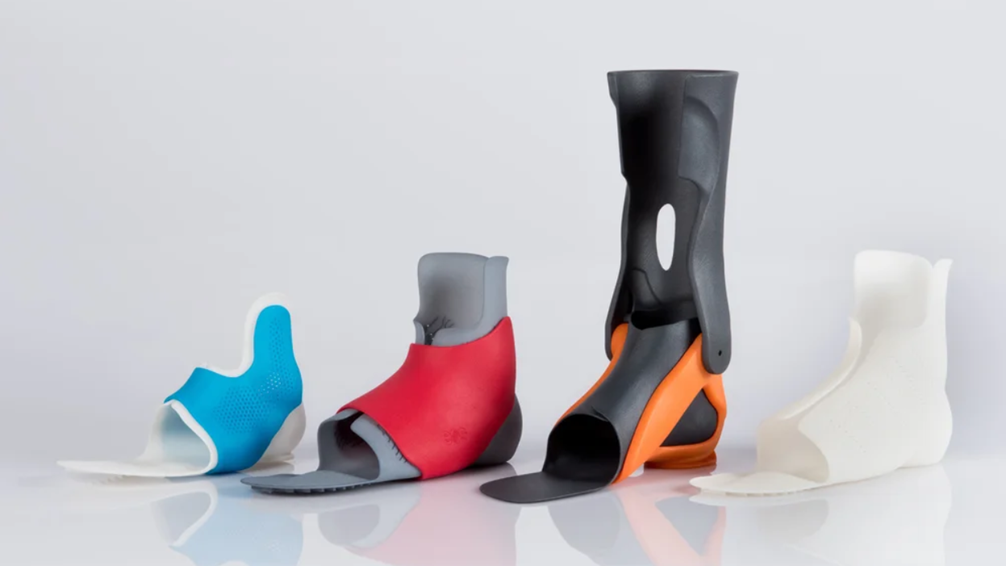
Fig. 5: Customer-specific Orthoses and Prostheses solutions | Courtesy – (EOS Website)


Success Stories

Manufacturers and clinicians using the EOS SLS process have reported significant improvements in patient satisfaction and device performance. For example, prosthetic sockets produced using SLS technology have demonstrated superior comfort and durability compared to traditionally manufactured counterparts. Additionally, the ability to rapidly prototype and iterate designs has reduced production times and costs.

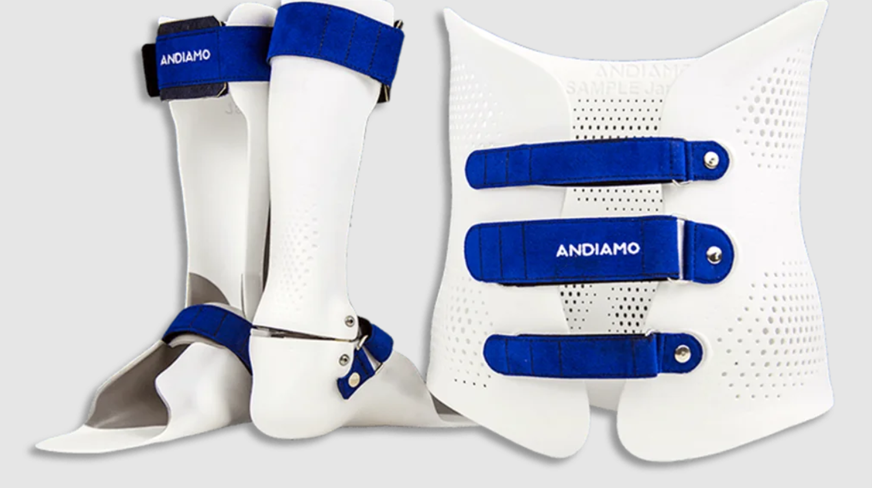
The British start-up company Andiamo uses EOS systems to make custom-fitting orthoses for children. Traditionally, orthoses are made from plaster impressions. This process is slow and resource-intensive and offers little room for customization.

Some patients, especially young patients who are still growing, have to undergo this procedure repeatedly. Waiting times can last up to six months – for an orthosis that might not even fit by the time it’s ready. Additive manufacturing reduces the waiting period to a minimum. Using a 3D body scan, a precise and perfectly fitting orthosis is manufactured and delivered within a week.

Fig. 6: Foot and Upper Body Orthoses from Andiamo | Courtesy – (EOS Website)


The Future of Prosthetics and Orthoses Manufacturing

As additive manufacturing technologies continue to evolve, the possibilities for prosthetics and orthoses are expanding. Emerging materials, enhanced machine capabilities, and integration with advanced scanning and modelling software promise even greater levels of customization and performance.

By adopting the EOS SLS process, manufacturers can push the boundaries of what is possible in prosthetics and orthoses, delivering devices that not only meet but exceed the expectations of patients and healthcare providers. This technology is not just shaping parts; it’s reshaping lives.

Fig. 7: Different types of Ankle Foot Orthoses from Ottobock | Courtesy – (EOS Website)

Accelerate the Development and Certification of Smarter Drones

The drone industry is rapidly evolving, offering solutions across numerous sectors like logistics, agriculture, surveillance, and environmental monitoring. With advancements in technology, drones are becoming more complex and capable, making their development and certification processes more challenging. However, the path from concept to flight is complex, requiring rigorous testing, safety checks, and compliance with ever-changing standards. To succeed in this competitive market, manufacturers must streamline their workflows, accelerate development cycles, and meet rigorous regulatory standards.


Megatrends in Drone Industry

The drone industry is evolving rapidly, with several megatrends driving innovation and shaping its future. Based on the trends you’ve mentioned, here’s a more detailed look at how these shifts is transforming the drone landscape:

  • Sustainability: From Fuel to Electrical
  • New Mobility Usages: From Driven to Autonomous, From Ownership to Sharing & On-Demand
  • Fast-paced Ecosystem: From Traditional players to Startups, From Plants to Labs

The Importance of Type Certification for Drones

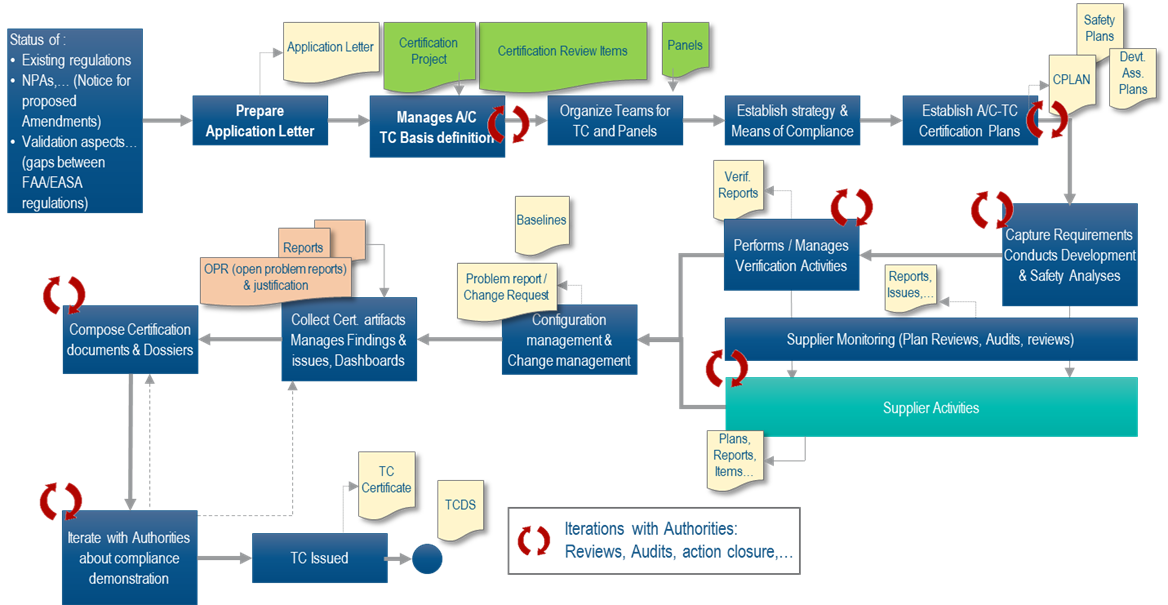
Certification is a mandatory process for any drone that will be used in commercial applications. Regulatory bodies have strict guidelines to ensure that drones operate safely in shared airspace. These regulations address various aspects, such as:

  • Flight safety: Ensuring that the drone can operate without causing harm to people or property
  • Airworthiness: Verifying that drones are structurally sound and capable of performing as expected
  • Data security: Protecting sensitive information transmitted or recorded by drones
  • Environmental impact: Ensuring that drone operations comply with environmental regulations

Challenges & Expected Business Changes

Be First: Prototype to Certification

  • Requirement and model-based governance
  • Proven control of program execution
  • Verify and validate use of cutting-edge technologies


Ramp-up: Production Ready

  • Engineering efficiency with digital continuity into Manufacturing
  • Design for manufacturing
  • Virtual twin of the factory

“Concept to Flight” refers to the entire journey of developing and bringing a drone from its initial concept to its operational flight. This journey involves several critical steps, including design, testing, certification, and eventual deployment. To accelerate this process, particularly in the context of developing smarter drones, the focus is on improving both the speed and the efficiency of each stage of the development pipeline.

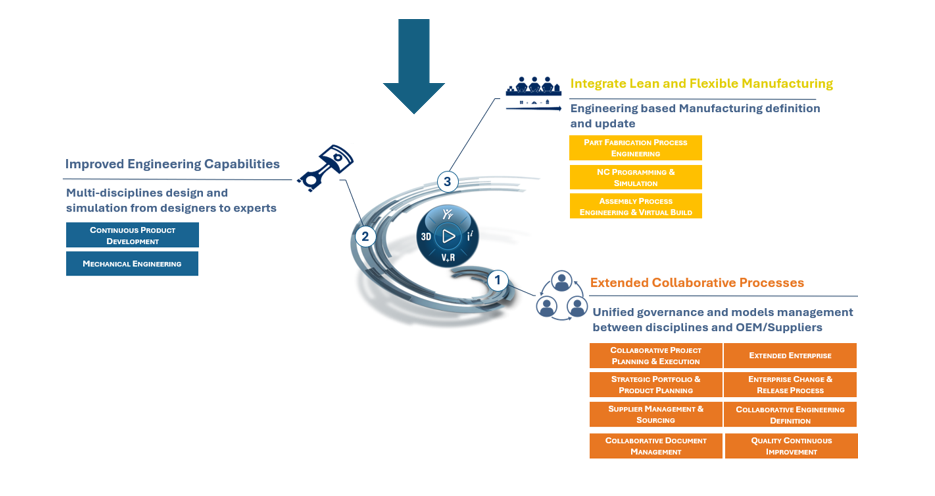
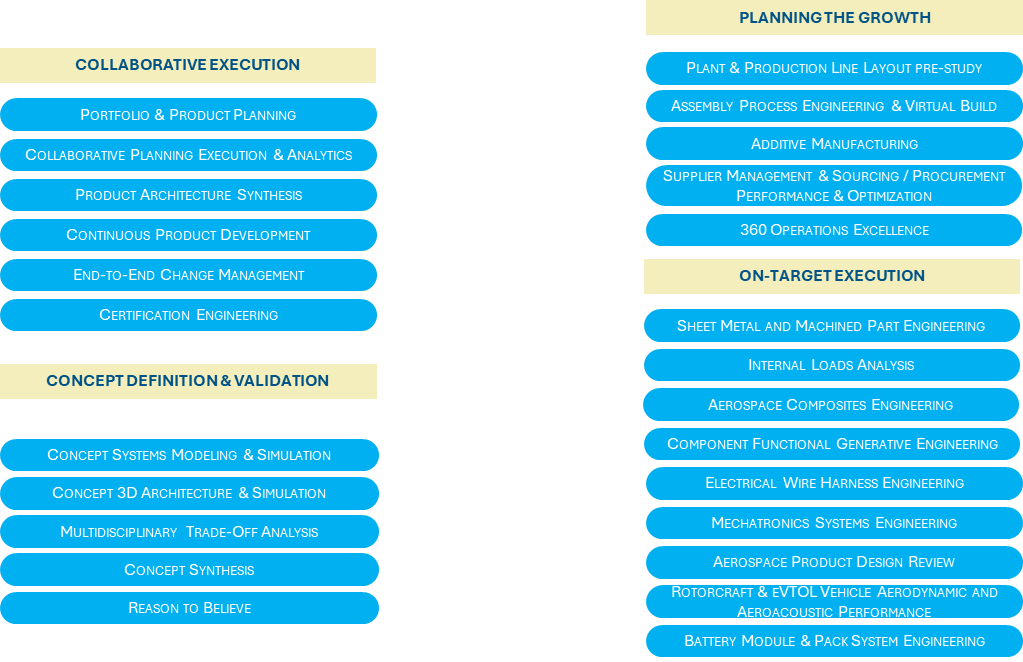
Here’s how the development and certification of smarter drones can be accelerated. The 3DEXPERIENCE Platform by Dassault Systemes streamlines & accelerate the development and certification of smarter drones from concept to flight. The platform integrates various aspects of product design, simulation, collaboration, and manufacturing into a unified system, allowing drone developers to streamline the entire lifecycle—from initial ideas to certified products.

  • Unified Design & Simulation Environment
  • Collaborative Engineering and Innovation
  • Smart Manufacturing and Production Optimization
  • Certification and Regulatory Compliance
  • Lifecycle Management and Predictive Maintenance


3DEXPERIENCE Solution Landscape for Drone Industry to accelerate concept to certification


Expected Business Benefits
Digital Continuity from Concept to Flight 
  • Integrated value streams: concept, detailed engineering & manufacturing engineering
  • Using best in class design and simulation solutions
  • In a controlled environment to reach the required execution speed


Driven & Controlled Execution 
  • Live status of all variants and projects with associated KPIs
  • Drive the execution of the project in a connected way
  • Secure your IP, provide traceability for certification authority
  • Manage your collaboration with multiple partners in a secured environment


Software-as-a-Service
  • Scalable solution to match with project maturity and company cash flow
  • With turn-key platform on cloud
  • The strategy to go for a model-based enterprise


Overall, the 3DEXPERIENCE platform empowers drone manufacturers with a unified and comprehensive approach to designing, testing, certifying, and producing drones. By streamlining the entire lifecycle, it accelerates development, reduces risks, and helps companies create smarter, certified drones ready for flight.


To get more information & insights on how the 3DEXPERIENCE Platform drives business transformation in the drone industry, please reach out to us at marketing@edstechnologies.com

Drone Part Manufacturing: Leveraging DfAM and the EOS SLS Process

The rise of drones has revolutionized industries ranging from logistics and agriculture to filmmaking and defence. With their increasing adoption, the demand for lightweight, durable, and complex drone components has surged. Additive manufacturing (AM), particularly the Selective Laser Sintering (SLS) process, has emerged as a key enabler in meeting these requirements. When combined with Design for Additive Manufacturing (DfAM) principles, SLS offers unparalleled opportunities for innovation and efficiency in drone part manufacturing.


The Role of DFAM in Drone Part Design

DFAM involves tailoring designs to leverage the unique capabilities of additive manufacturing. Unlike traditional manufacturing, which often imposes constraints on shapes and geometries, AM allows for the creation of complex and optimized structures. This is particularly beneficial for drones, where weight, aerodynamics, and functionality are critical.

  • Topology Optimization: Reducing material usage without compromising strength by creating lightweight structures optimized for stress distribution.


  • Part Consolidation: Combining multiple components into a single part to reduce assembly complexity and improve reliability.
  • Complex Geometries: Designing intricate features such as internal channels for wiring or cooling, which are challenging to produce using traditional methods.
  • Customization: Tailoring parts for specific drone models or applications, enabling rapid iteration and prototyping.

EOS SLS: A Perfect Fit for Drone Manufacturing

The EOS Selective Laser Sintering process is a powder-based additive manufacturing technology that excels in producing high-performance plastic parts. It is particularly well-suited for drone part manufacturing due to its precision, material versatility, and scalability.


Advantages of EOS SLS for Drone Components
  • Material Properties: EOS offers high-performance polymers such as EOS PA 1101, EOS PA 2200, HP 11-30 and PA 640 GSL, known for their strength, flexibility, and lightweight characteristics.
  • Durability: Parts produced through SLS are highly durable, capable of withstanding the environmental stresses often encountered by drones.
  • Freedom of Design: SLS allows for the creation of complex geometries without the need for support structures, enabling true design freedom.
  • Efficiency: The ability to produce multiple parts simultaneously in a single build cycle reduces lead times and costs.

Unique Properties of PA 640 GSL

PA 640 GSL is a standout material for drone part manufacturing due to its exceptional strength-to-weight ratio. This makes it ideal for applications, where reducing weight without compromising structural integrity is critical. Additionally, PA 640 GSL offers excellent thermal stability and impact resistance, further enhancing its suitability for demanding drone applications.

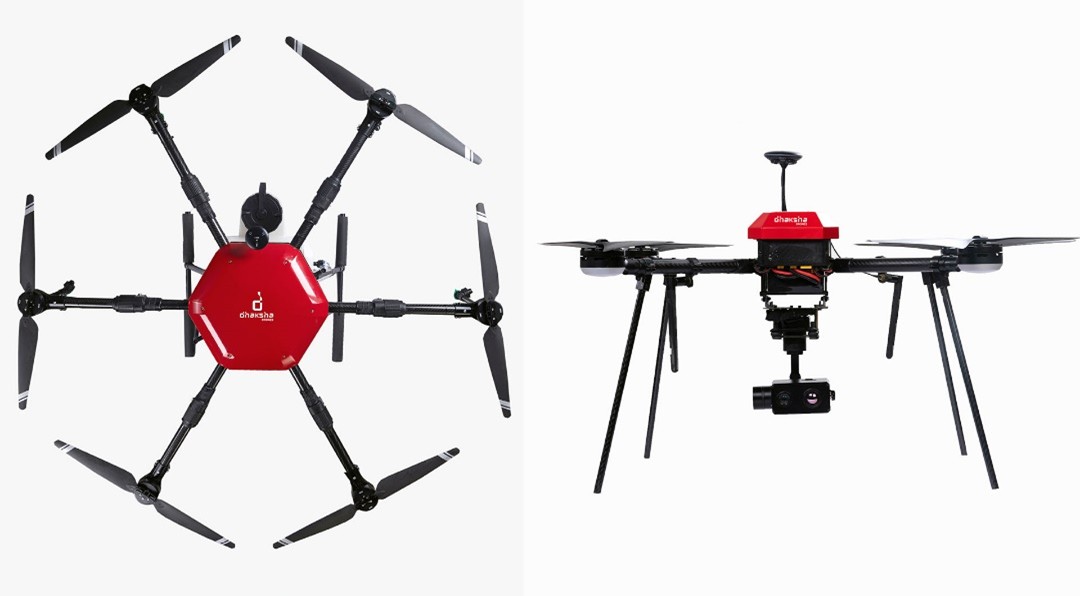
Fig. 2: Exclusive Carbon Fiber and Glass bead filled composite material compatible with EOS Systems


Applications of SLS-Manufactured Drone Parts
  • Airframes: Lightweight yet robust airframes designed using topology optimization techniques.
  • Propellers: Aerodynamically efficient propellers with customized profiles for specific flight requirements.
  • Housings and Mounts: Durable housings for electronics and precision mounts for cameras and sensors.
  • Battery Holders: Custom battery enclosures that maximize space utilization while ensuring thermal management.


As drone technology evolves, the role of DfAM and advanced AM processes like EOS SLS will only grow. Innovations in materials, such as carbon fibre-reinforced polymers, and advancements in SLS machine capabilities promise even greater possibilities for drone part manufacturing.

By embracing DfAM and leveraging the EOS SLS process, manufacturers can push the boundaries of drone design, delivering lighter, stronger, and more efficient components. This synergy of design and technology is paving the way for the next generation of drones, capable of achieving feats previously deemed impossible.


Leveraging SIMULIA for Medical Device Innovation

The medical device industry requires innovation, precision, and compliance to deliver safe, effective, and reliable products. SIMULIA, as part of Dassault Systèmes’ 3DEXPERIENCE platform, enables engineers to simulate real-world behaviours and optimize designs across various applications. This ensures reduced costs, accelerated development, and compliance with stringent regulatory requirements. 


Why SIMULIA for Medical Devices? 

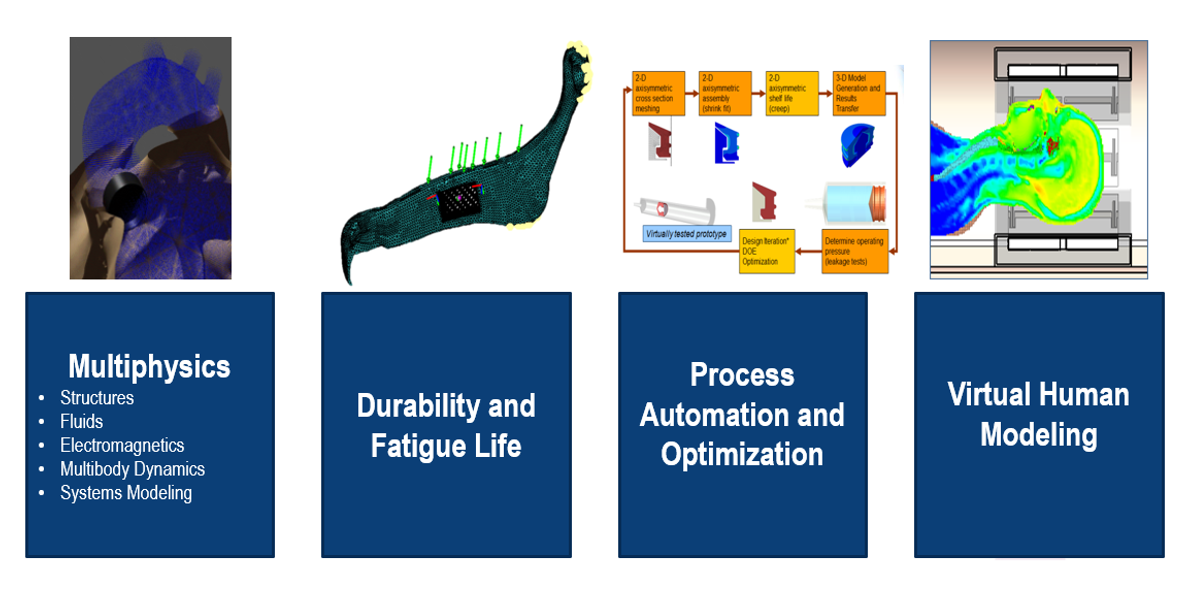
SIMULIA provides a comprehensive platform for conducting realistic simulations across multiple physics domains, including structural, thermal, and fluid dynamics. This capability is crucial for medical devices, which must operate reliably under complex physiological conditions. Below are some ways SIMULIA supports the development of cutting-edge medical devices: 

  • Improved Design Efficiency: By simulating device performance virtually, developers can reduce the need for physical prototypes, saving time and costs.
  • Enhanced Safety and Reliability: SIMULIA helps predict how devices behave under various loading conditions, ensuring they meet safety and regulatory requirements.
  • Multiphysics Integration: Medical devices often involve coupled physics, such as heat transfer in surgical tools or fluid-structure interaction in cardiovascular devices. SIMULIA’s tools enable seamless integration of these effects. 
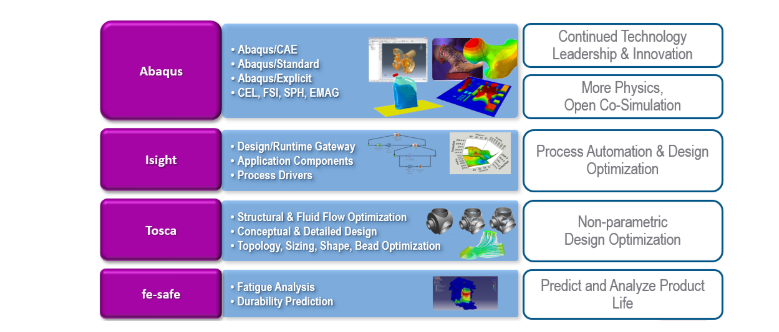
  • Optimization and Customization: With tools like Tosca and Isight, SIMULIA enables the optimization of device design for performance, weight, and material usage. Please refer below detailed image about SIMULIA. 


Key Applications of SIMULIA in Medical Device Development
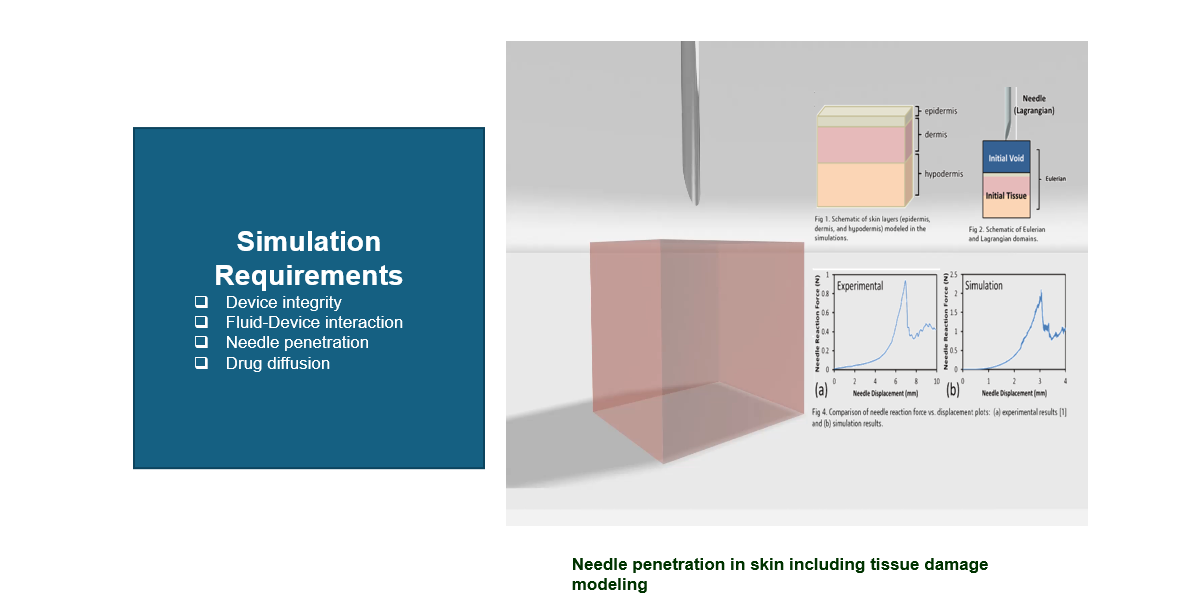
Needle Penetration in Skin
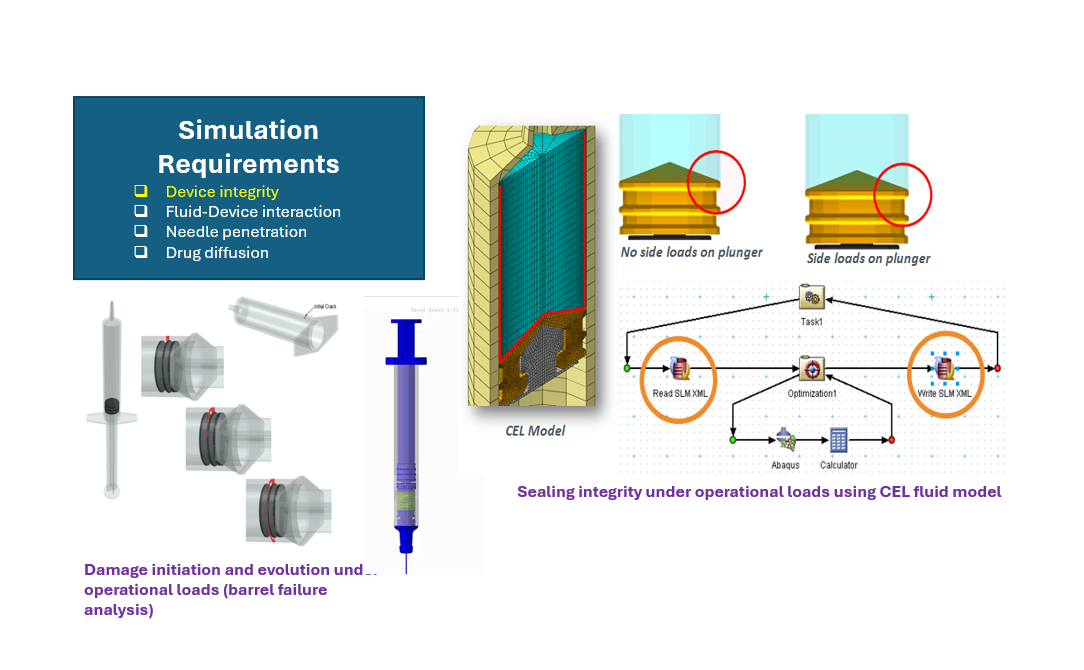
  • Description: SIMULIA provides the capability to simulate needle penetration through skin layers, including tissue damage modelling, fluid interactions, and drug diffusion. 


  • Simulation Requirements:
    • Device integrity and durability.
    • Fluid-device interaction (FSI) for accurate diffusion modelling.
    • Realistic penetration dynamics and soft tissue deformation.
    • Drug diffusion analysis for controlled delivery. 


  • Example Use Case:
    • Simulating a hypodermic needle to understand tissue damage and optimize injection depth while ensuring minimal patient discomfort.

Coronary Stent Design 
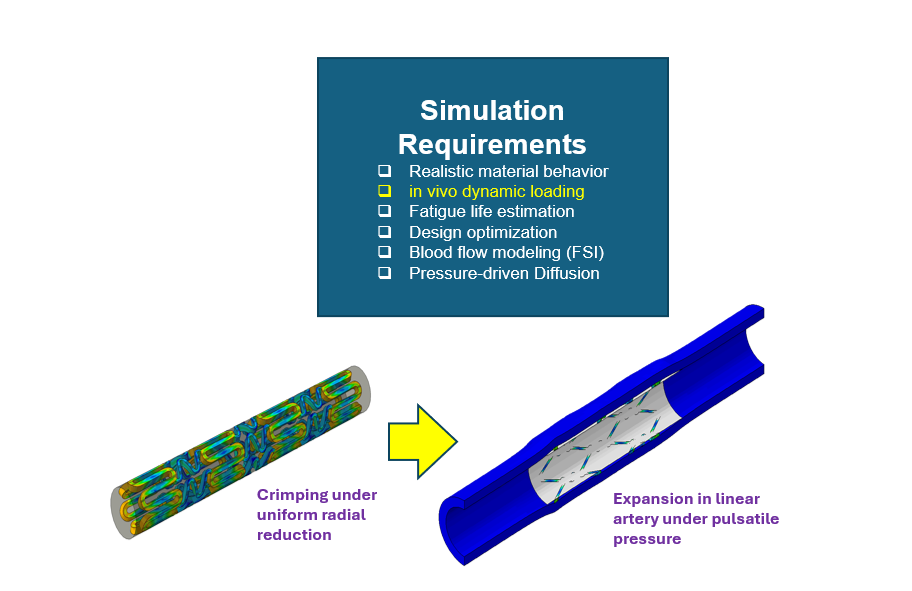
  • Description: Coronary stents are critical devices for treating narrowed arteries. SIMULIA enables stent crimping, balloon expansion, and arterial interaction simulations to validate their design.
  • Simulation Requirements:
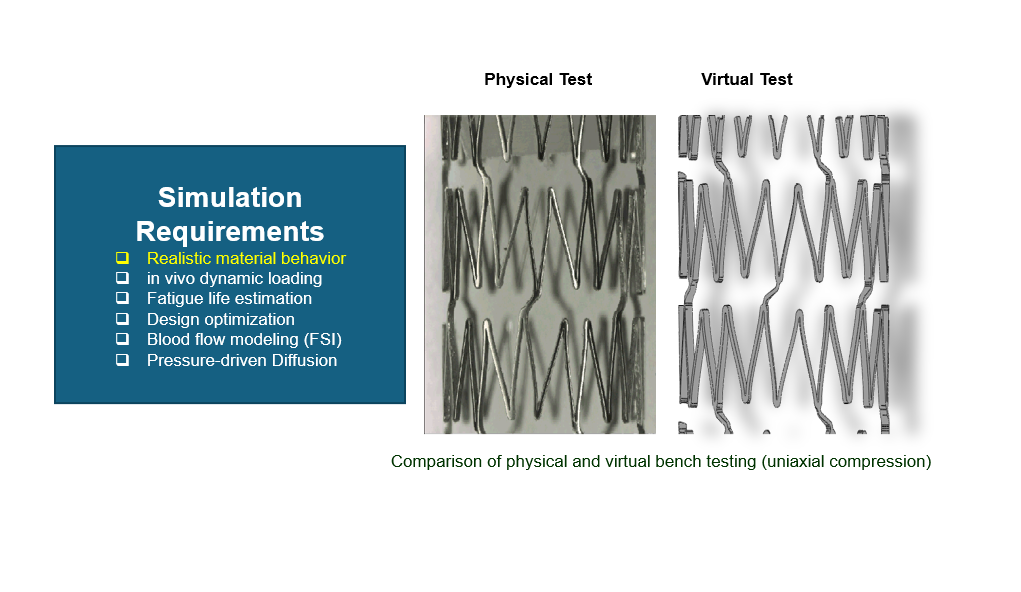
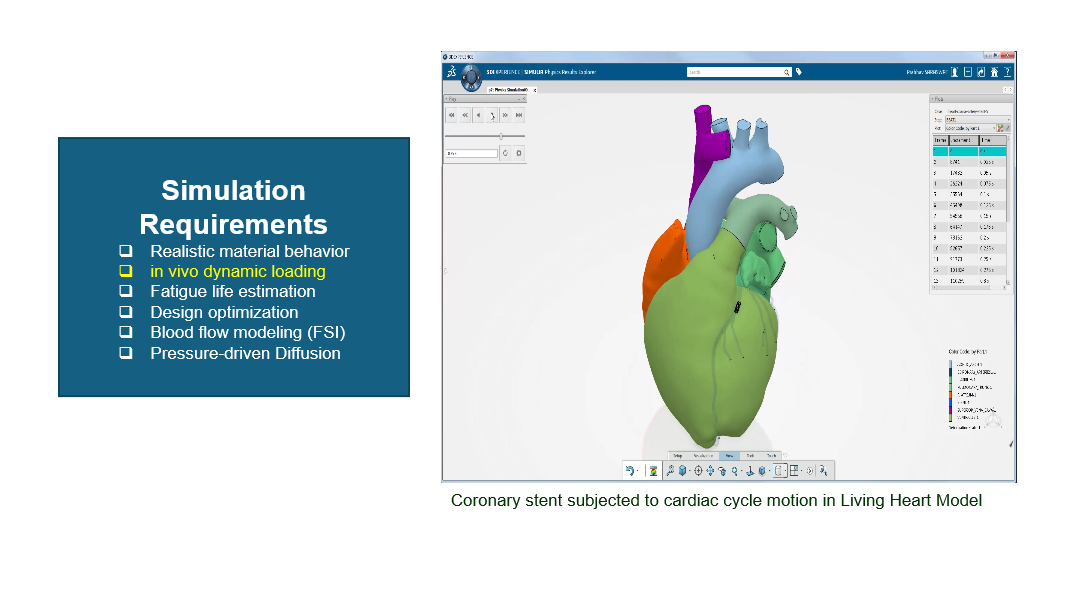
    • Realistic material behaviour for stents under in-vivo dynamic loading.
    • Fatigue life estimation to ensure long-term reliability under cardiac cycles.
    • Design optimization to reduce failure risks and enhance performance.
    • Blood flow modelling using Fluid-Structure Interaction (FSI).
    •  Diffusion modelling for pressure-driven drug release. 
  • Example Use Case:
    • Crimping the stent under uniform radial reduction and expanding it inside a pulsatile pressure artery to evaluate its structural integrity and fatigue life.

Peripheral Stent Simulation 
  • Description: Peripheral stents face complex deformations due to arterial movements. SIMULIA simulates these arterial deformations to optimize stent performance. 


  • Simulation Requirements: 
    • Realistic arterial behaviour under motion and pressure changes. 
    • Fatigue and durability assessments. 
    • Expansion dynamics in non-linear arteries derived from patient data. 


  • Example Use Case: 
    • Evaluating peripheral stents’ interaction with arteries under varying deformation profiles to minimize failure.

Drug Delivery Systems 
  • Description: Drug delivery devices, such as combination products, require simulations for diffusion, fluid-device interaction, and controlled release mechanisms. 


  • Simulation Requirements: 
    • Pressure-driven drug diffusion analysis. 
    • Coupled fluid-structure dynamics for delivery accuracy. 
    • Multiphysics simulations for combination products involving mechanical and chemical interactions. 


  • Example Use Case: 
    • Optimizing drug delivery systems to ensure precise dosage and controlled diffusion based on physiological conditions. 

Balloon Expansion in Patient-Derived Arteries 
  • Description: Balloon catheters require accurate simulations to evaluate expansion behaviour in patient-derived artery geometries. 


  • Simulation Requirements: 
    • Arterial material modelling for realistic deformation. 
    • Expansion analysis using coupled mechanical and pressure-driven simulations. 
    • Predicting device failure points under non-linear artery shapes. 


  • Example Use Case: 
    • Simulating guide-wire insertion and balloon expansion to evaluate catheter behaviour under dynamic conditions. 


Human Factors Design
  • Description: SIMULIA supports the design of medical devices that account for ergonomics and end-user experiences. This ensures devices are intuitive and user-friendly while meeting performance criteria. 


  • Simulation Requirements: 
    • Industrial design for optimal ergonomics. 
    • Analysis of human-device interaction using virtual human models. 


  • Example Use Case: 
    • Designing surgical tools with improved usability to reduce fatigue for surgeons and healthcare workers. 

Combination Products and Multiphysics Simulation 

The fast-growing combination product market integrates therapeutics, drug delivery systems, and mechanical devices. SIMULIA’s Multiphysics and multiscale simulations are uniquely suited to address: 

  • Accurate prediction of device-drug interactions. 
  • Virtual human modelling for patient-specific simulations. 
  • Design validation for safe and effective products. 

Advanced Visualization and Colour Contour Analysis 

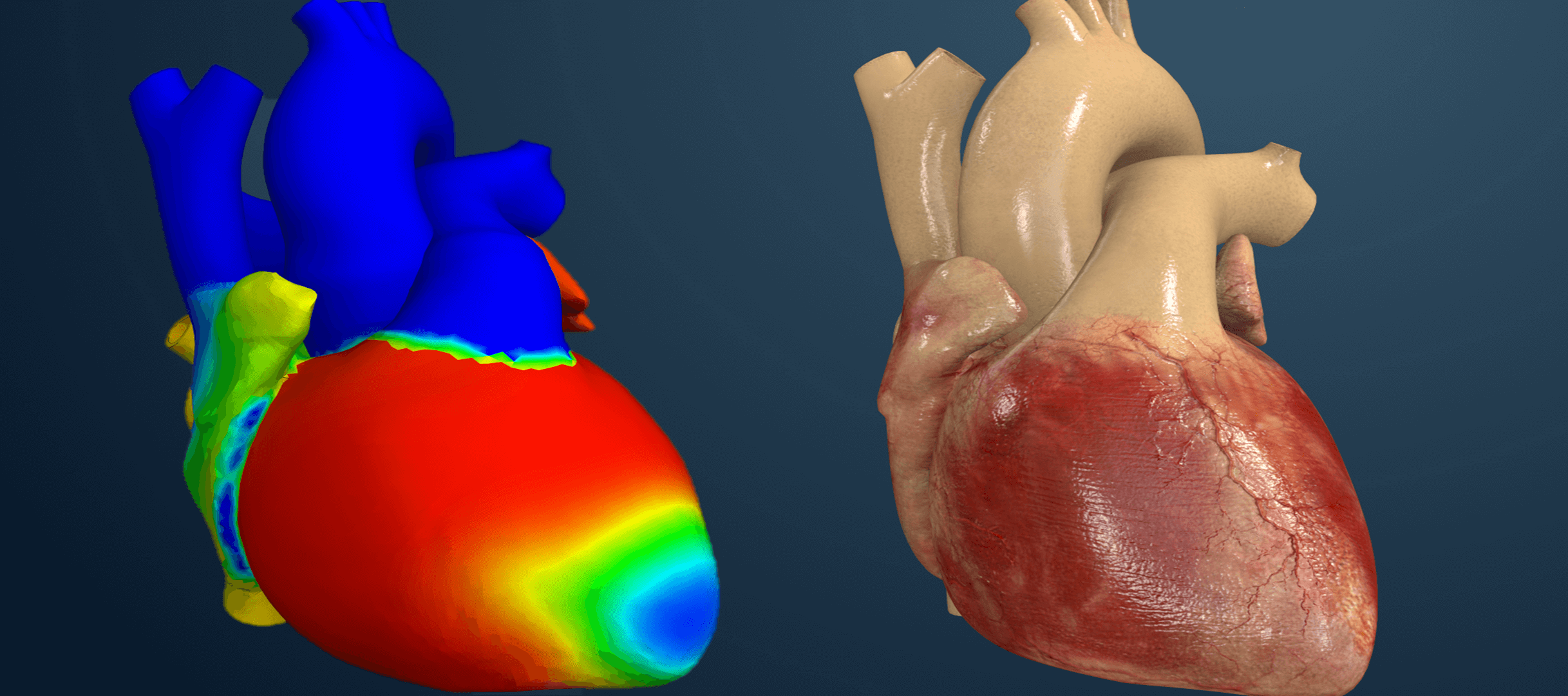
SIMULIA’s visualization tools provide clear insights into complex simulations through colour contour analysis. These outputs allow engineers to: 

  • Identify areas of high stress, strain, or temperature. 
  • Optimize designs for safety and reliability. 
  • Validate performance using realistic models. 


Benefits of SIMULIA for Medical Devices 
  • Accelerated Development: Reduce reliance on physical prototypes through virtual testing. 
  • Improved Safety: Simulate real-world conditions to ensure devices perform safely. 
  • Regulatory Compliance: Meet strict industry standards with validated simulation results. 
  • Cost Reduction: Optimize materials, design, and manufacturing processes. 
  • Patient-Specific Solutions: Use patient-derived data for personalized device design. 

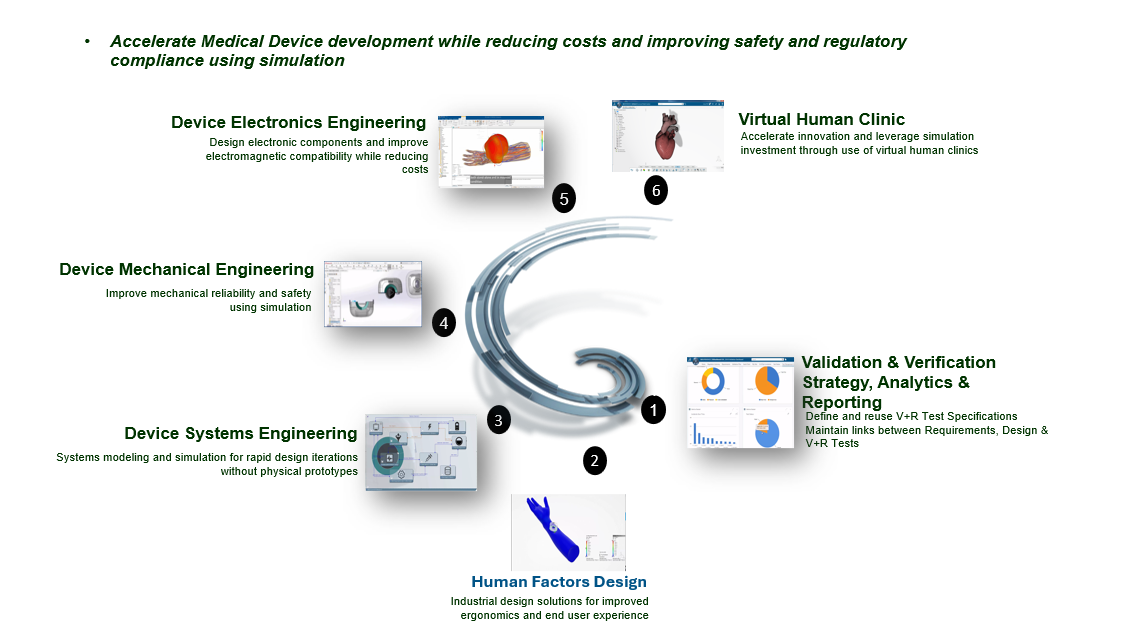
Key Features Shown in Image 
  • Validation & Verification Strategy, Analytics & Reporting – Ensuring design compliance and reliability. 
  • Human Factors Design – Industrial solutions for improved ergonomics. 
  • Device Systems Engineering – Rapid modelling and simulations. 
  • Device Mechanical Engineering – Enhancing mechanical safety. 
  • Device Electronics Engineering – Optimizing electronic components and electromagnetic compatibility. 
  • Virtual Human Clinic – Simulating human body interactions with devices for enhanced innovation. 


Conclusion 

SIMULIA revolutionizes the medical device industry by enabling advanced simulation, realistic modelling, and optimization across various applications. Whether it’s needle penetration, coronary stents, or drug delivery systems, SIMULIA provides the tools to develop safer, cost-effective, and high-performing devices. 

With Multiphysics capabilities and integration into the 3DEXPERIENCE platform, SIMULIA empowers organizations to achieve innovation faster and deliver devices that transform patient care.