3D MIDs with Aerosol Jet Technology by Optomec
- Arun K. Kashyap
- July 7, 2025
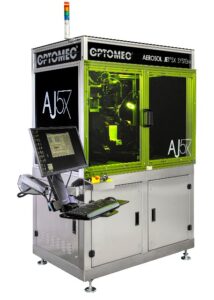
In the rapidly evolving landscape of electronics manufacturing, the demand for compact, lightweight, and multifunctional components is higher than ever. One such innovation answering this call is the 3D Molded Interconnect Device (3D MID) — a technology that seamlessly integrates mechanical and electronic functions into a single, three-dimensional component. And at the forefront of enabling this revolution is Optomec’s Aerosol Jet® technology, a game-changer in the world of additive manufacturing.
What is 3D MID?
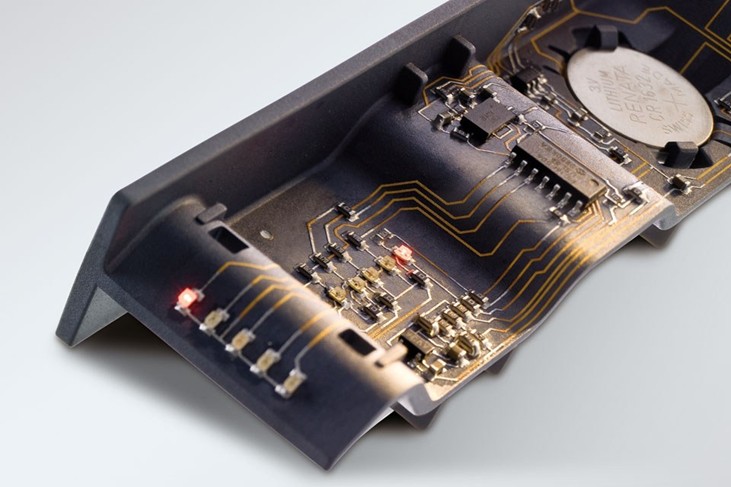
3D MIDs combine plastic parts with integrated electronic circuitry, replacing traditional PCB assemblies. Instead of mounting a PCB into a moulded housing, the circuitry is directly printed onto the housing itself. This eliminates the need for connectors, cables, and additional assemblies—resulting in lighter, smaller, and more reliable products.
Common applications include:
- Automotive sensor housings
- Wearable devices
- Medical instruments
- Consumer electronics
- Industrial controls
Enter Optomec Aerosol Jet Technology
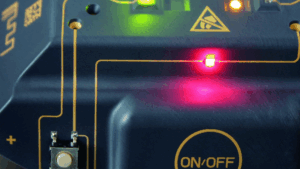
Optomec’s Aerosol Jet® technology enables the precise, non-contact deposition of electronic inks onto virtually any 3D surface. Unlike screen printing or inkjet methods that are limited to 2D substrates, Aerosol Jet is capable of printing ultra-fine features (as small as 10 microns) on complex geometries, including curved or contoured surfaces commonly found in 3D MID designs.
Key Advantages:
- True 3D Conformal Printing: Ideal for printing on non-planar surfaces like injection-moulded plastics.
- High Resolution: Circuit features as fine as 10 µm can be printed without masks or screens.
- Material Flexibility: Compatible with a wide range of conductive inks (silver, copper, carbon) and dielectric materials.
- Scalable and Repeatable: Production-ready for low to mid-volume manufacturing with excellent repeatability.
How it Works
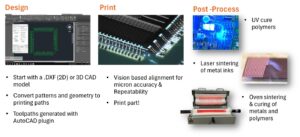
- Ink Atomization: Liquid ink is transformed into an aerosol mist using ultrasonic or pneumatic methods.
- Aerosol Transport: The mist is carried by a carrier gas to the deposition head.
- Focused Deposition: A sheath gas surrounds the mist to focus the stream to a precise spot, enabling high-resolution printing on 3D surfaces.
- Post-Processing: After deposition, thermal or photonic curing is used to solidify the ink.
This process eliminates the need for traditional subtractive steps like etching or mechanical drilling, reducing material waste and speeding up production.
Industrial Impact: A New Era of Smart Products
The combination of 3D MID design and Aerosol Jet printing opens doors to a new class of smart, miniaturized products. For example:
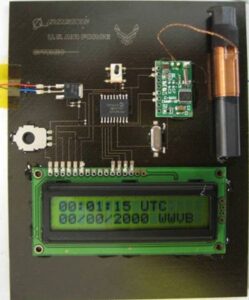
- In automotive: Integration of sensors and antennas directly into the car’s interior plastic panels reduces wiring and improves aesthetics.
- In medical: Compact diagnostic devices with embedded electronics reduce the form factor without compromising functionality.
- In wearables: Flexible, ergonomic designs can now feature embedded connectivity without the need for bulky circuit boards.
Sustainability & Cost Benefits
Aerosol Jet printing contributes to greener manufacturing by:
- Minimizing material consumption
- Reducing energy usage through digital processing
- Lowering production costs with fewer process steps and less waste
It also supports design freedom, enabling rapid prototyping and agile iterations without tooling changes.
Conclusion
As devices continue to shrink and demand more functionality in less space, the synergy between 3D MID design and Optomec’s Aerosol Jet technology is setting new benchmarks in electronics manufacturing. With its ability to precisely deposit functional inks onto 3D surfaces, this technology is not just evolving how electronics are made – it’s redefining what’s possible.
Optomec Aerosol Jet is not just a tool for innovation – it’s a strategic enabler for manufacturers looking to stay ahead in a hyper-competitive market.

Recent Posts
-
From Prototypes to Production: How Additive Manufacturing is Shaping Atmanirbhar Bharat
The conversation around additive manufacturing (AM) in India has evolved considerably over the past decade. What was once viewed primarily as a prototyping technology is…
-
Identify Stray Light in Imaging Systems with LightTools
Stray light is undesired light radiation that interacts with the components of a system and degrades its performance by generating noise, that significantly reduces image…
-
Redefining the Riding Experience with RAMSIS
In two‑wheeler design, comfort and safety start with the rider. RAMSIS (Realistic Anthropometric Mathematical System of Interior Comfort Simulation) is an ergonomic simulation platform that…
-
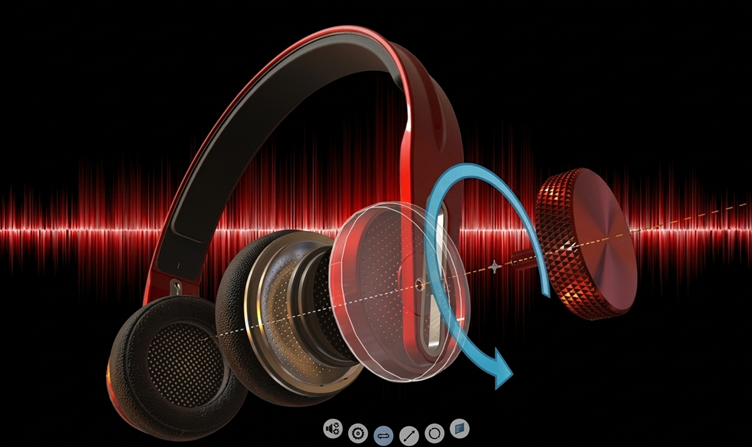
Enhancing Product Understanding through 3D Technical Illustrator
The 3D Technical Illustrator role within the 3DEXPERIENCE Platform enables organizations to transform complex engineering data into clear, interactive, and visually rich technical documentation. In…
-

Transforming Physical Parts into Digital Models with CATIA 3DEXPERIENCE Reverse Engineer role
Reverse engineering has become a critical capability in modern product development, especially when working with legacy components, competitor benchmarking, or physical prototypes that lack digital…
-
Fixing Search Service Down Issue in 3DEXPERIENCE Platform
Search is one of the most critical features in the 3DEXPERIENCE platform. If the search service goes down, users cannot find objects, documents, or data—impacting…
-
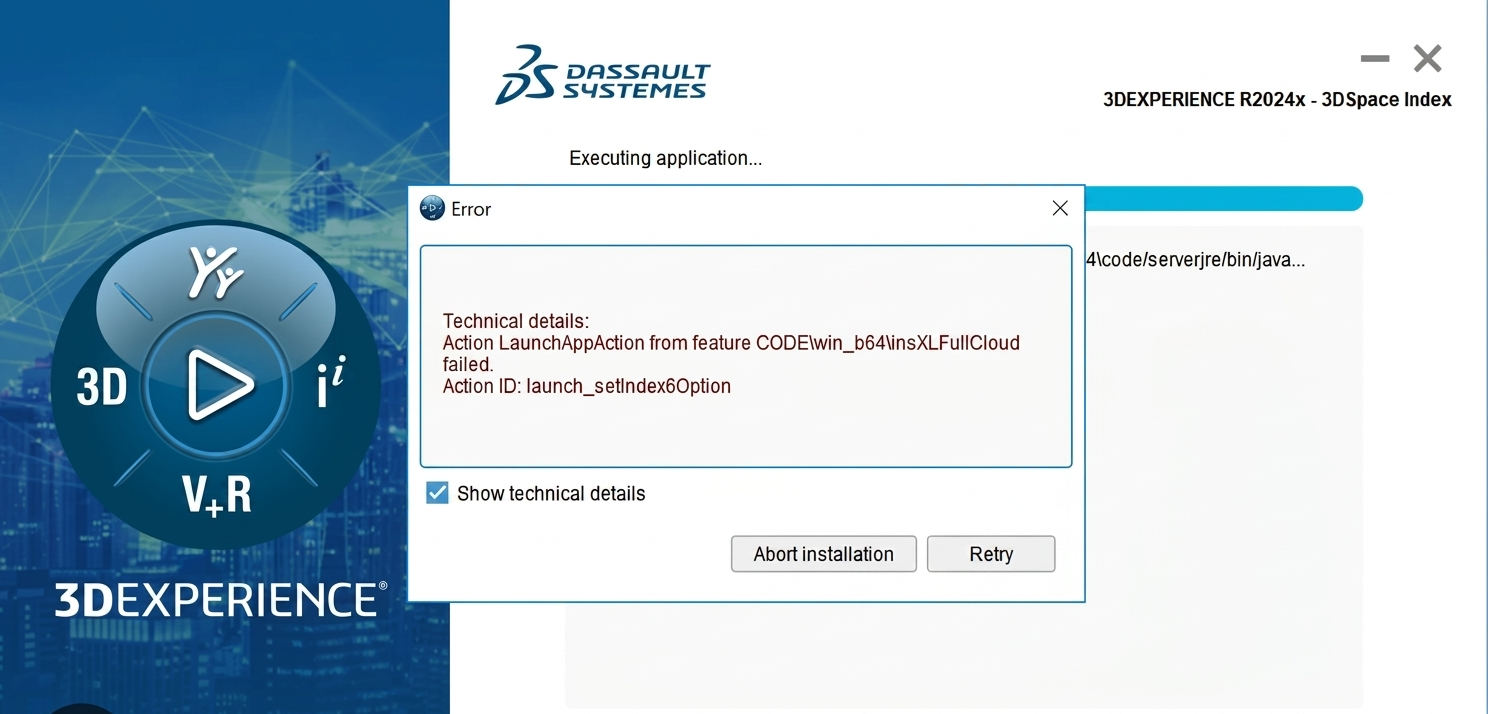
Common Installation Errors and How to Fix Them in 3DEXPERIENCE
The 3DEXPERIENCE Platform is a powerful solution used by industries worldwide for product lifecycle management (PLM), simulation, and collaboration. However, installing 3DEXPERIENCE—especially on-premise—can be complex…
-
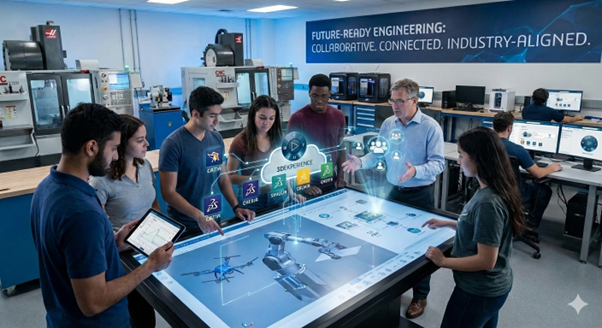
From Classroom to Industry: Empowering Future Engineers with the 3DEXPERIENCE Platform
In today’s fast-evolving engineering and design landscape, educational institutions must go beyond conventional CAD teaching methods. While standalone tools like CATIA V5, SOLIDWORKS, or traditional…
- Arun K. Kashyap
- July 7, 2025
3D MIDs with Aerosol Jet Technology by Optomec
In the rapidly evolving landscape of electronics manufacturing, the demand for compact, lightweight, and multifunctional components is higher than ever. One such innovation answering this call is the 3D Molded Interconnect Device (3D MID) — a technology that seamlessly integrates mechanical and electronic functions into a single, three-dimensional component. And at the forefront of enabling this revolution is Optomec’s Aerosol Jet® technology, a game-changer in the world of additive manufacturing.
What is 3D MID?
3D MIDs combine plastic parts with integrated electronic circuitry, replacing traditional PCB assemblies. Instead of mounting a PCB into a moulded housing, the circuitry is directly printed onto the housing itself. This eliminates the need for connectors, cables, and additional assemblies—resulting in lighter, smaller, and more reliable products.
Common applications include:
- Automotive sensor housings
- Wearable devices
- Medical instruments
- Consumer electronics
- Industrial controls
Enter Optomec Aerosol Jet Technology
Optomec’s Aerosol Jet® technology enables the precise, non-contact deposition of electronic inks onto virtually any 3D surface. Unlike screen printing or inkjet methods that are limited to 2D substrates, Aerosol Jet is capable of printing ultra-fine features (as small as 10 microns) on complex geometries, including curved or contoured surfaces commonly found in 3D MID designs.
Key Advantages:
- True 3D Conformal Printing: Ideal for printing on non-planar surfaces like injection-moulded plastics.
- High Resolution: Circuit features as fine as 10 µm can be printed without masks or screens.
- Material Flexibility: Compatible with a wide range of conductive inks (silver, copper, carbon) and dielectric materials.
- Scalable and Repeatable: Production-ready for low to mid-volume manufacturing with excellent repeatability.
How it Works
- Ink Atomization: Liquid ink is transformed into an aerosol mist using ultrasonic or pneumatic methods.
- Aerosol Transport: The mist is carried by a carrier gas to the deposition head.
- Focused Deposition: A sheath gas surrounds the mist to focus the stream to a precise spot, enabling high-resolution printing on 3D surfaces.
- Post-Processing: After deposition, thermal or photonic curing is used to solidify the ink.
This process eliminates the need for traditional subtractive steps like etching or mechanical drilling, reducing material waste and speeding up production.
Industrial Impact: A New Era of Smart Products
The combination of 3D MID design and Aerosol Jet printing opens doors to a new class of smart, miniaturized products. For example:
- In automotive: Integration of sensors and antennas directly into the car’s interior plastic panels reduces wiring and improves aesthetics.
- In medical: Compact diagnostic devices with embedded electronics reduce the form factor without compromising functionality.
- In wearables: Flexible, ergonomic designs can now feature embedded connectivity without the need for bulky circuit boards.
Sustainability & Cost Benefits
Aerosol Jet printing contributes to greener manufacturing by:
- Minimizing material consumption
- Reducing energy usage through digital processing
- Lowering production costs with fewer process steps and less waste
It also supports design freedom, enabling rapid prototyping and agile iterations without tooling changes.
Conclusion
As devices continue to shrink and demand more functionality in less space, the synergy between 3D MID design and Optomec’s Aerosol Jet technology is setting new benchmarks in electronics manufacturing. With its ability to precisely deposit functional inks onto 3D surfaces, this technology is not just evolving how electronics are made – it’s redefining what’s possible.
Optomec Aerosol Jet is not just a tool for innovation – it’s a strategic enabler for manufacturers looking to stay ahead in a hyper-competitive market.