Beyond FDM: The Industrial Shift Towards Laser-Based Additive Manufacturing

- Arun K. Kashyap
- June 19, 2025
Additive Manufacturing (AM), commonly known as 3D printing, is revolutionizing industries from aerospace to healthcare, offering unparalleled design freedom, reduced waste, and cost-effective production. Among the various AM technologies, extrusion-based Additive Manufacturing (EBAM) stands out as one of the most versatile and widely used processes. Whether you’re a seasoned engineer or someone curious about 3D printing, EBAM is a fascinating and transformative approach to manufacturing that’s worth exploring in detail.
What is Extrusion-Based Additive Manufacturing?
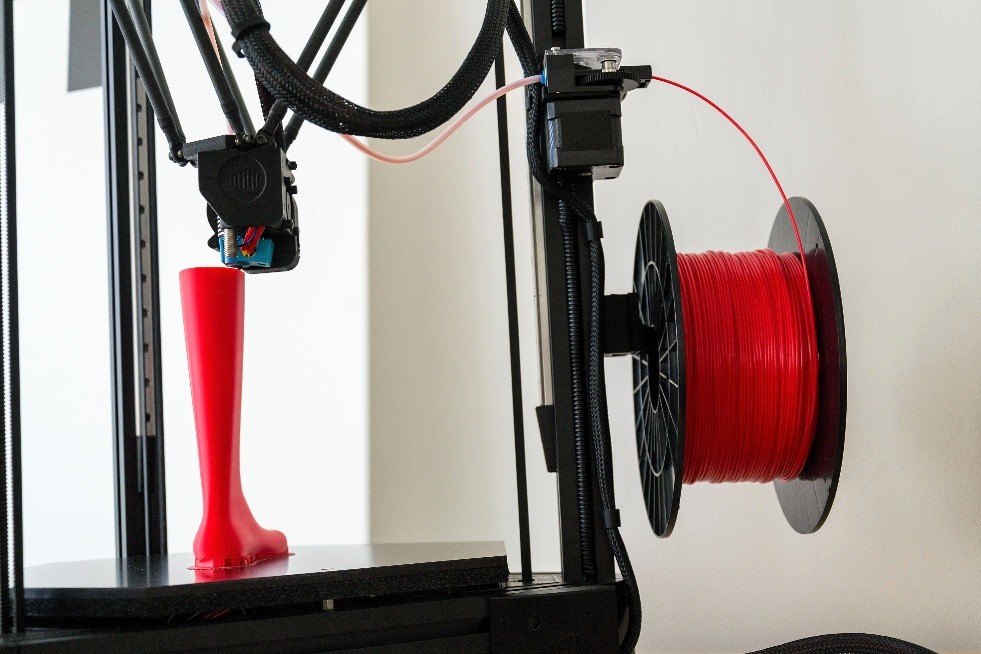
Extrusion-based Additive Manufacturing, often synonymous with Fused Deposition Modelling (FDM) or Fused Filament Fabrication (FFF), is a process where material is deposited layer by layer to build a 3D object. It typically uses thermoplastic polymers as the raw material, which are fed into an extrusion nozzle. The material is heated, melted, and extruded onto a build platform, solidifying as it cools.
The process is highly accessible, making it ideal for both prototyping and end-use applications. Its popularity is driven by several key advantages such as low cost, availability of materials, and ease of use, which have made EBAM the go-to option for industries and hobbyists alike

The Working Principle of EBAM:
The EBAM process starts with a digital 3D model, which is sliced into multiple layers using slicing software. These layers are then translated into machine code that guides the movement of the extruder and build platform. The raw material, usually in filament form, is pushed through a heated nozzle. As the nozzle moves along the X and Y axes, it deposits molten material in precise patterns, forming a single layer. Once the first layer cools and solidifies, the platform moves down (or the nozzle moves up) along the Z axis, and the next layer is extruded on top. This process repeats until the entire object is printed.
Key factors that influence the process include the temperature of the nozzle, the speed of extrusion, layer thickness, and cooling rates, which must be carefully controlled to ensure good adhesion between layers and the overall strength of the final product.
Materials Used in Extrusion-Based AM:
The flexibility in material selection is one of the reasons for EBAM’s widespread adoption. The most common materials include:
- PLA (Polylactic Acid): A biodegradable thermoplastic, PLA is easy to print, has low warping, and is ideal for beginners.
- ABS (Acrylonitrile Butadiene Styrene): Known for its strength and durability, ABS is a bit more challenging to print due to its higher extrusion temperature and warping issues but is perfect for industrial applications.
- PETG (Polyethylene Terephthalate Glycol): Combining the ease of PLA and the strength of ABS, PETG is a highly versatile material used for both consumer and professional applications.
- Engineering-grade materials (Nylon, TPU, PEEK): These are increasingly being used for functional parts in aerospace, automotive, and medical fields.
- Composite filaments like carbon fibre-infused PLA or metal-infused plastics are also available, expanding the range of mechanical properties achievable with EBAM.
Advantages of Extrusion-Based AM:
- Affordability:
Compared to other AM processes like Stereolithography (SLA) or Selective Laser Sintering (SLS), extrusion-based AM systems are significantly more affordable. This has made them highly popular for rapid prototyping, small batch production, and even custom end-use parts.
- Material Flexibility:
The range of materials that can be processed through extrusion-based systems is ever-growing. This flexibility enables engineers and designers to select materials based on the specific mechanical, thermal, or aesthetic properties required for their application.
- Scalability and Accessibility:
Desktop 3D printers, which often use FDM technology, have brought extrusion-based AM into homes, schools, and small businesses. However, large-scale systems are also available, making EBAM scalable for larger industrial applications.
- Ease of Use:
EBAM is relatively easy to operate, even for beginners. The technology is mature, and user-friendly slicer software makes it possible to quickly convert 3D designs into printed objects with minimal technical knowledge.
Challenges and Limitations:
While extrusion-based AM has many advantages, it also comes with its set of challenges:
- Surface Finish: One of the biggest limitations of EBAM is its relatively coarse surface finish compared to other AM technologies. Post-processing may be required to smooth surfaces.
- Speed vs. Quality: There is often a trade-off between speed and print quality. Higher print speeds can reduce detail, while slower speeds produce better quality but increase print time.
- Layer Adhesion: Ensuring strong bonding between layers is critical for the mechanical integrity of the part. Inconsistent cooling or material flow can lead to weak spots or warping.
Applications of Extrusion-Based AM:
Despite some limitations, EBAM is transforming how products are designed, prototyped, and manufactured. Its applications are vast and diverse, including:
- Prototyping: Companies use EBAM for rapid prototyping, allowing them to iterate designs faster and more cost-effectively compared to traditional manufacturing.
- End-Use Parts: Custom parts for niche markets, such as spare automotive components or healthcare aids, are increasingly being made using extrusion-based technologies.
- Educational Tools: Many schools and universities use desktop FDM printers to teach design and engineering, giving students hands-on experience with cutting-edge technology.
- Art and Design: Artists and designers leverage the freedom of form and material provided by EBAM to create unique sculptures, jewellery, and consumer products.

Future – Outlook:
The future of extrusion-based Additive Manufacturing looks promising. As material science continues to evolve, new composite filaments, high-strength thermoplastics, and bio-based materials are being introduced, expanding its scope. Additionally, advancements in multi-material printing, large-scale extrusion systems, and hybrid AM processes promise to overcome current limitations like surface finish and part strength.
In industries such as aerospace, automotive, and healthcare, extrusion-based AM is increasingly being integrated into supply chains, not only for prototyping but for functional parts and components. As these technologies continue to develop, we can expect them to play an even more significant role in the future of manufacturing.
Conclusion:
Extrusion-based Additive Manufacturing has made 3D printing more accessible than ever before. Its affordability, versatility, and ease of use have democratized the field of manufacturing, allowing businesses, engineers, hobbyists, and educators to innovate without the constraints of traditional methods. While challenges remain, continued advancements in materials and technology are propelling extrusion-based AM into a new era of possibilities, driving its adoption across industries. Whether you are looking to create prototypes, custom parts, or even final products, extrusion-based AM offers an exciting pathway toward innovation.
Stay tuned to our Blog series to get further information on the above technologies in detail.

Recent Posts
-

From Prototypes to Production: How Additive Manufacturing is Shaping Atmanirbhar Bharat
The conversation around additive manufacturing (AM) in India has evolved considerably over the past decade. What was once viewed primarily as a prototyping technology is…
-
Identify Stray Light in Imaging Systems with LightTools
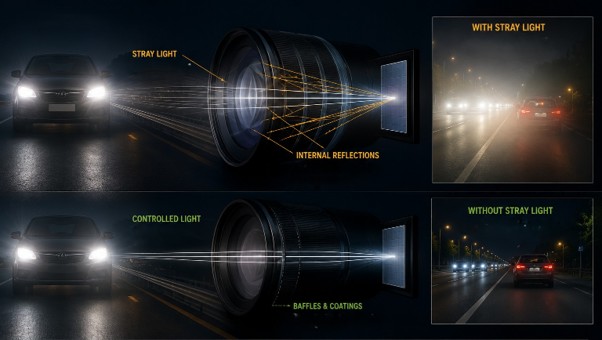
Stray light is undesired light radiation that interacts with the components of a system and degrades its performance by generating noise, that significantly reduces image…
-
Redefining the Riding Experience with RAMSIS
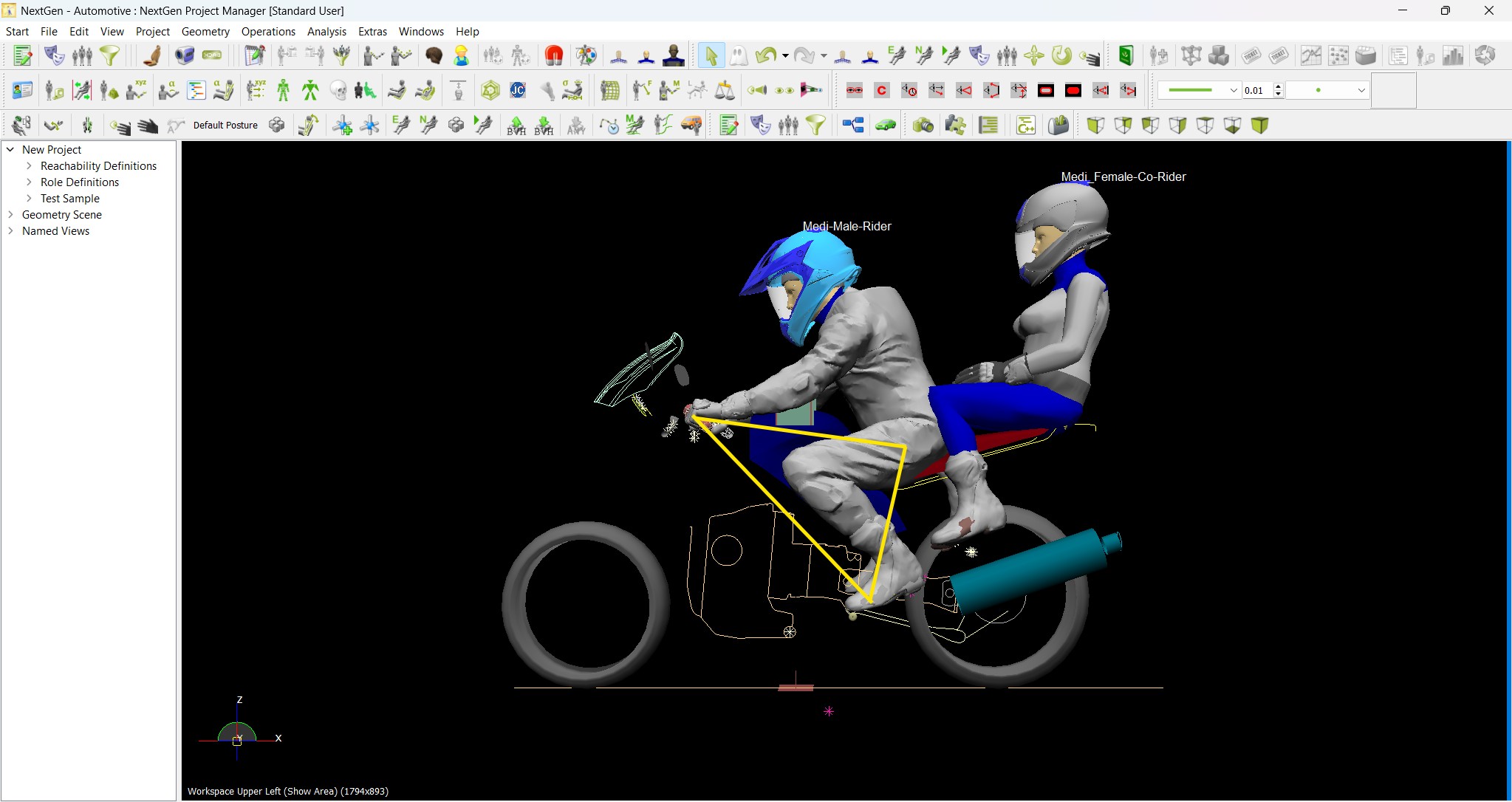
In two‑wheeler design, comfort and safety start with the rider. RAMSIS (Realistic Anthropometric Mathematical System of Interior Comfort Simulation) is an ergonomic simulation platform that…
-
Enhancing Product Understanding through 3D Technical Illustrator
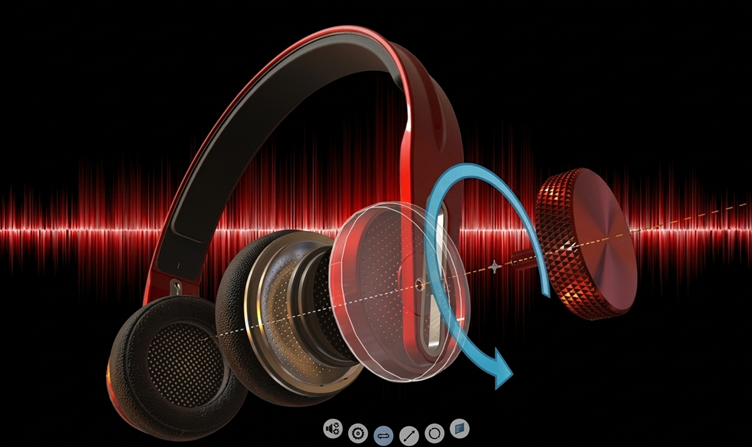
The 3D Technical Illustrator role within the 3DEXPERIENCE Platform enables organizations to transform complex engineering data into clear, interactive, and visually rich technical documentation. In…
-
Transforming Physical Parts into Digital Models with CATIA 3DEXPERIENCE Reverse Engineer role
Reverse engineering has become a critical capability in modern product development, especially when working with legacy components, competitor benchmarking, or physical prototypes that lack digital…
-
Fixing Search Service Down Issue in 3DEXPERIENCE Platform
Search is one of the most critical features in the 3DEXPERIENCE platform. If the search service goes down, users cannot find objects, documents, or data—impacting…
-
Common Installation Errors and How to Fix Them in 3DEXPERIENCE
The 3DEXPERIENCE Platform is a powerful solution used by industries worldwide for product lifecycle management (PLM), simulation, and collaboration. However, installing 3DEXPERIENCE—especially on-premise—can be complex…
-
From Classroom to Industry: Empowering Future Engineers with the 3DEXPERIENCE Platform
In today’s fast-evolving engineering and design landscape, educational institutions must go beyond conventional CAD teaching methods. While standalone tools like CATIA V5, SOLIDWORKS, or traditional…
- Arun K. Kashyap
- June 19, 2025
Beyond FDM: The Industrial Shift Towards Laser-Based Additive Manufacturing
Additive Manufacturing (AM), commonly known as 3D printing, is revolutionizing industries from aerospace to healthcare, offering unparalleled design freedom, reduced waste, and cost-effective production. Among the various AM technologies, extrusion-based Additive Manufacturing (EBAM) stands out as one of the most versatile and widely used processes. Whether you’re a seasoned engineer or someone curious about 3D printing, EBAM is a fascinating and transformative approach to manufacturing that’s worth exploring in detail.
What is Extrusion-Based Additive Manufacturing?
Extrusion-based Additive Manufacturing, often synonymous with Fused Deposition Modelling (FDM) or Fused Filament Fabrication (FFF), is a process where material is deposited layer by layer to build a 3D object. It typically uses thermoplastic polymers as the raw material, which are fed into an extrusion nozzle. The material is heated, melted, and extruded onto a build platform, solidifying as it cools.
The process is highly accessible, making it ideal for both prototyping and end-use applications. Its popularity is driven by several key advantages such as low cost, availability of materials, and ease of use, which have made EBAM the go-to option for industries and hobbyists alike
The Working Principle of EBAM:
The EBAM process starts with a digital 3D model, which is sliced into multiple layers using slicing software. These layers are then translated into machine code that guides the movement of the extruder and build platform. The raw material, usually in filament form, is pushed through a heated nozzle. As the nozzle moves along the X and Y axes, it deposits molten material in precise patterns, forming a single layer. Once the first layer cools and solidifies, the platform moves down (or the nozzle moves up) along the Z axis, and the next layer is extruded on top. This process repeats until the entire object is printed.
Key factors that influence the process include the temperature of the nozzle, the speed of extrusion, layer thickness, and cooling rates, which must be carefully controlled to ensure good adhesion between layers and the overall strength of the final product.
Materials Used in Extrusion-Based AM:
The flexibility in material selection is one of the reasons for EBAM’s widespread adoption. The most common materials include:
- PLA (Polylactic Acid): A biodegradable thermoplastic, PLA is easy to print, has low warping, and is ideal for beginners.
- ABS (Acrylonitrile Butadiene Styrene): Known for its strength and durability, ABS is a bit more challenging to print due to its higher extrusion temperature and warping issues but is perfect for industrial applications.
- PETG (Polyethylene Terephthalate Glycol): Combining the ease of PLA and the strength of ABS, PETG is a highly versatile material used for both consumer and professional applications.
- Engineering-grade materials (Nylon, TPU, PEEK): These are increasingly being used for functional parts in aerospace, automotive, and medical fields.
- Composite filaments like carbon fibre-infused PLA or metal-infused plastics are also available, expanding the range of mechanical properties achievable with EBAM.
Advantages of Extrusion-Based AM:
- Affordability:
Compared to other AM processes like Stereolithography (SLA) or Selective Laser Sintering (SLS), extrusion-based AM systems are significantly more affordable. This has made them highly popular for rapid prototyping, small batch production, and even custom end-use parts.
- Material Flexibility:
The range of materials that can be processed through extrusion-based systems is ever-growing. This flexibility enables engineers and designers to select materials based on the specific mechanical, thermal, or aesthetic properties required for their application.
- Scalability and Accessibility:
Desktop 3D printers, which often use FDM technology, have brought extrusion-based AM into homes, schools, and small businesses. However, large-scale systems are also available, making EBAM scalable for larger industrial applications.
- Ease of Use:
EBAM is relatively easy to operate, even for beginners. The technology is mature, and user-friendly slicer software makes it possible to quickly convert 3D designs into printed objects with minimal technical knowledge.
Challenges and Limitations:
While extrusion-based AM has many advantages, it also comes with its set of challenges:
- Surface Finish: One of the biggest limitations of EBAM is its relatively coarse surface finish compared to other AM technologies. Post-processing may be required to smooth surfaces.
- Speed vs. Quality: There is often a trade-off between speed and print quality. Higher print speeds can reduce detail, while slower speeds produce better quality but increase print time.
- Layer Adhesion: Ensuring strong bonding between layers is critical for the mechanical integrity of the part. Inconsistent cooling or material flow can lead to weak spots or warping.
Applications of Extrusion-Based AM:
Despite some limitations, EBAM is transforming how products are designed, prototyped, and manufactured. Its applications are vast and diverse, including:
- Prototyping: Companies use EBAM for rapid prototyping, allowing them to iterate designs faster and more cost-effectively compared to traditional manufacturing.
- End-Use Parts: Custom parts for niche markets, such as spare automotive components or healthcare aids, are increasingly being made using extrusion-based technologies.
- Educational Tools: Many schools and universities use desktop FDM printers to teach design and engineering, giving students hands-on experience with cutting-edge technology.
- Art and Design: Artists and designers leverage the freedom of form and material provided by EBAM to create unique sculptures, jewellery, and consumer products.
Future – Outlook:
The future of extrusion-based Additive Manufacturing looks promising. As material science continues to evolve, new composite filaments, high-strength thermoplastics, and bio-based materials are being introduced, expanding its scope. Additionally, advancements in multi-material printing, large-scale extrusion systems, and hybrid AM processes promise to overcome current limitations like surface finish and part strength.
In industries such as aerospace, automotive, and healthcare, extrusion-based AM is increasingly being integrated into supply chains, not only for prototyping but for functional parts and components. As these technologies continue to develop, we can expect them to play an even more significant role in the future of manufacturing.
Conclusion:
Extrusion-based Additive Manufacturing has made 3D printing more accessible than ever before. Its affordability, versatility, and ease of use have democratized the field of manufacturing, allowing businesses, engineers, hobbyists, and educators to innovate without the constraints of traditional methods. While challenges remain, continued advancements in materials and technology are propelling extrusion-based AM into a new era of possibilities, driving its adoption across industries. Whether you are looking to create prototypes, custom parts, or even final products, extrusion-based AM offers an exciting pathway toward innovation.
Stay tuned to our Blog series to get further information on the above technologies in detail.